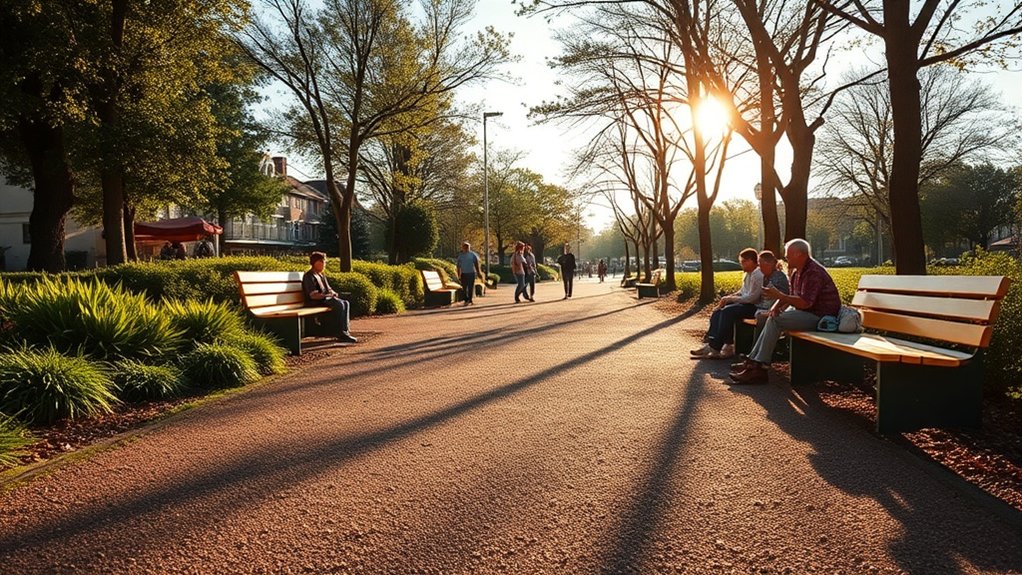
Resin-bound gravel is revolutionising public spaces by offering durability and aesthetic versatility. This material provides smooth, slip-resistant surfaces that enhance safety and accessibility. Its porous design effectively manages rainwater, helping to reduce flooding risks and improve urban drainage. With a variety of customisation options, you can create unique patterns that blend seamlessly with existing surroundings. Successful examples illustrate how resin-bound gravel boosts both functionality and visual appeal in different environments. Discover how this innovative solution can transform urban landscapes and support a more sustainable future.
Key Takeaways
- Resin-bound gravel improves the look of urban spaces, fostering community interaction and enhancing visual appeal.
- Its durable, slip-resistant surface is perfect for busy areas, ensuring safety and accessibility for both pedestrians and vehicles.
- The porous design helps manage rainwater, reducing flooding risks and aiding urban drainage while promoting groundwater recharge.
- With various customisation options available, it can be tailored for unique designs, making it ideal for heritage projects that maintain historical character and enhance surrounding landscapes.
- Examples like the Jaguar Land Rover walkway showcase its versatility and low maintenance, merging aesthetic appeal with practicality in public space transformations.
The Benefits of Resin-Bound Gravel in Urban Design
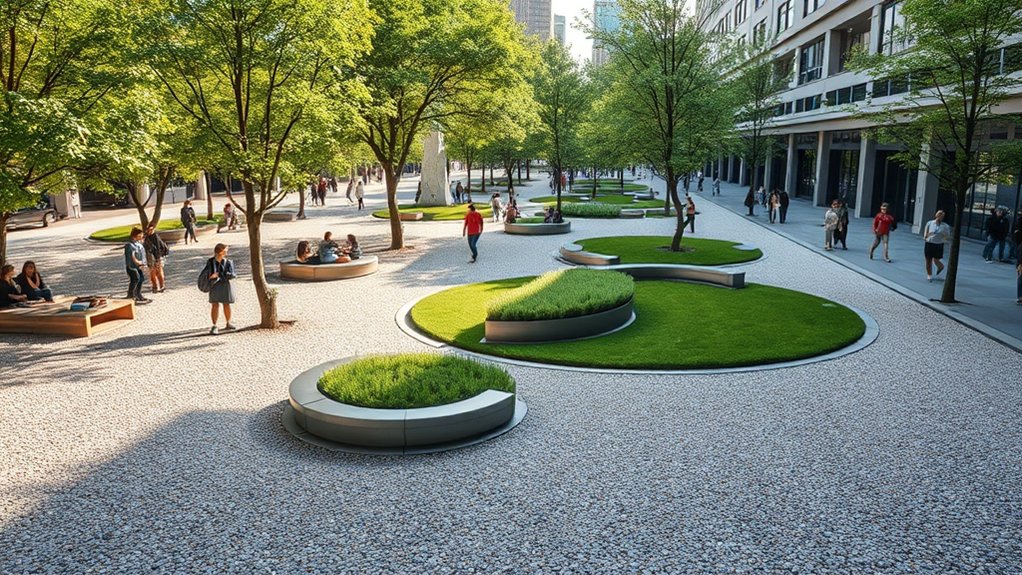
As urban areas evolve, incorporating sustainable materials like resin-bound gravel is essential. This material enhances the look of urban spaces while encouraging community interaction. Its natural drainage capabilities help reduce stormwater runoff and replenish groundwater, leading to a healthier environment. By utilizing recycled materials in its composition, resin-bound gravel further supports local economies and reduces landfill strain, making it a smart choice for urban planners. Additionally, its durable nature allows it to withstand heavy foot traffic, making it suitable for bustling public areas.
Resin-bound gravel also provides a smooth, stable surface that eliminates trip hazards, ensuring accessibility for everyone, including families and the elderly. With various colours and textures available, it can be tailored to match existing architecture, creating welcoming public areas that encourage socialising.
Key Characteristics of Resin-Bound Systems
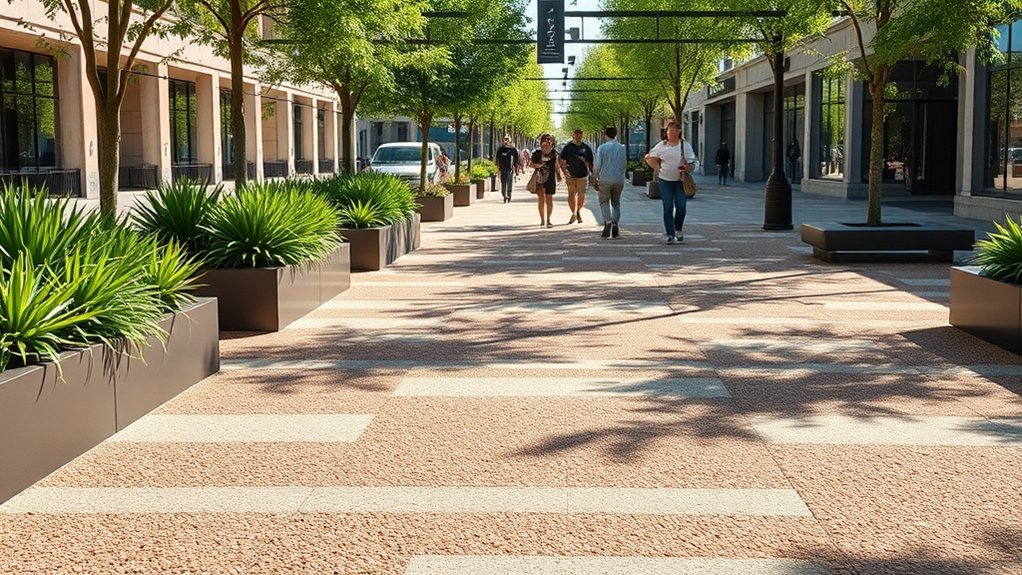
Resin-bound systems are a popular choice in contemporary urban design due to their practical and aesthetic qualities. They provide a smooth, seamless surface suitable for both pedestrians and vehicles, thanks to the resin that protects the aggregate.
The blend of small stones and UV-stable resin creates a durable finish that resists organic growth and requires little maintenance. The mixing process ensures an even application, while the porous design allows for effective water drainage, helping to mitigate flood risks. Resin-bound gravel is known for its longevity, typically lasting between 20-30 years with minimal upkeep, and it is designed to reduce water puddling by allowing 95% of surface water to pass through.
Available in various colours and textures, resin-bound systems enhance visual appeal and fit well into different environments, making them an excellent option for sustainable urban spaces.
Environmental Sustainability and Urban Drainage
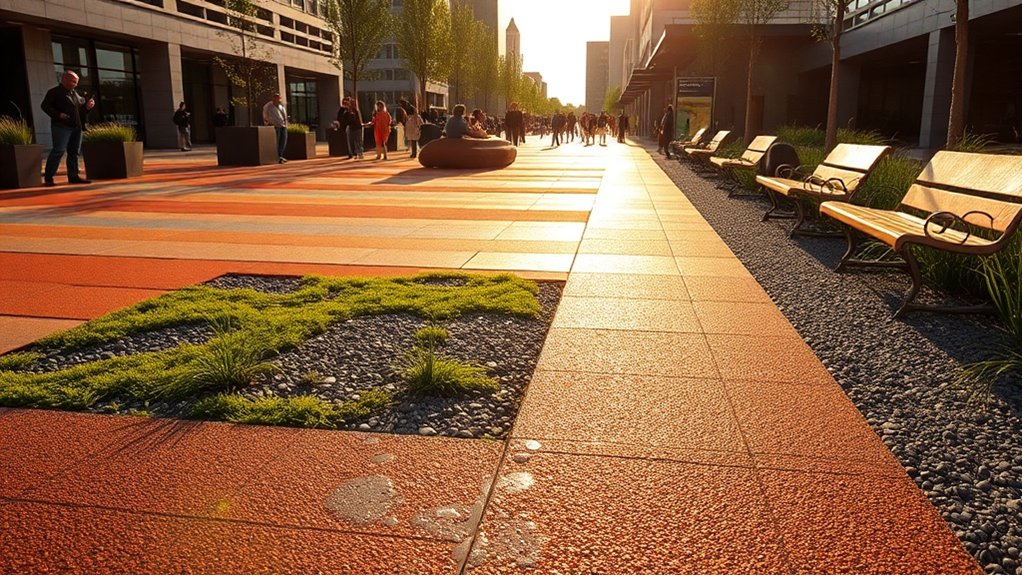
When considering urban drainage solutions, resin-bound gravel is a top choice thanks to its permeable qualities, which effectively manage rainwater. This innovative material not only supports groundwater recharge but also incorporates sustainable resources, aligning with eco-friendly development goals. The permeability of resin bound surfacing allows for natural drainage, reducing the risk of flooding and pollution in urban areas. Additionally, the permeability rates achieved by resin-bound surfaces can reach up to 95%, significantly enhancing the effectiveness of urban drainage systems.
Permeable Paving Benefits
Permeable paving provides significant benefits for environmental sustainability and urban drainage, especially in managing stormwater. By allowing water to seep through, it greatly reduces surface runoff, which helps to prevent urban flooding. This on-site collection of rainwater decreases the amount that enters drainage systems, lowering peak flows in rivers and reducing the risk of downstream flooding.
Moreover, permeable surfaces filter out pollutants, capturing oils and heavy metals before they can reach waterways, thus improving urban water quality.
They also help cool down urban heat islands, which can lead to lower local temperatures.
Groundwater Recharge Enhancement
Groundwater recharge is vital for ecological balance and effective urban drainage systems.
Using resin-bound gravel surfaces significantly enhances groundwater conservation by allowing rainwater to infiltrate at rates of up to 95%. This reduces surface runoff and helps keep pollutants out of waterways, protecting and replenishing aquifers.
With less water entering storm drains, the pressure on urban drainage systems is alleviated, which lowers the risk of flooding, particularly in areas with heavy rainfall.
Furthermore, stable groundwater levels support local ecosystems and promote biodiversity.
Sustainable Material Utilization
As urban areas grapple with stormwater management and environmental sustainability, using sustainable materials like resin-bound gravel is crucial.
This material features recycled aggregates, including crushed glass and plastics, which significantly reduces the need for new resources. Its porous nature allows rainwater to seep through, helping to manage stormwater effectively and lowering the risk of flooding while minimising pollutants entering waterways.
With up to 80% of its components being recyclable, it supports a circular economy. By prioritising eco-friendly production methods, local sourcing, and durable design, resin-bound gravel not only improves urban drainage but also contributes to healthier ecosystems, making it an excellent choice for sustainable urban development.
Enhancing Accessibility and Safety in Public Areas
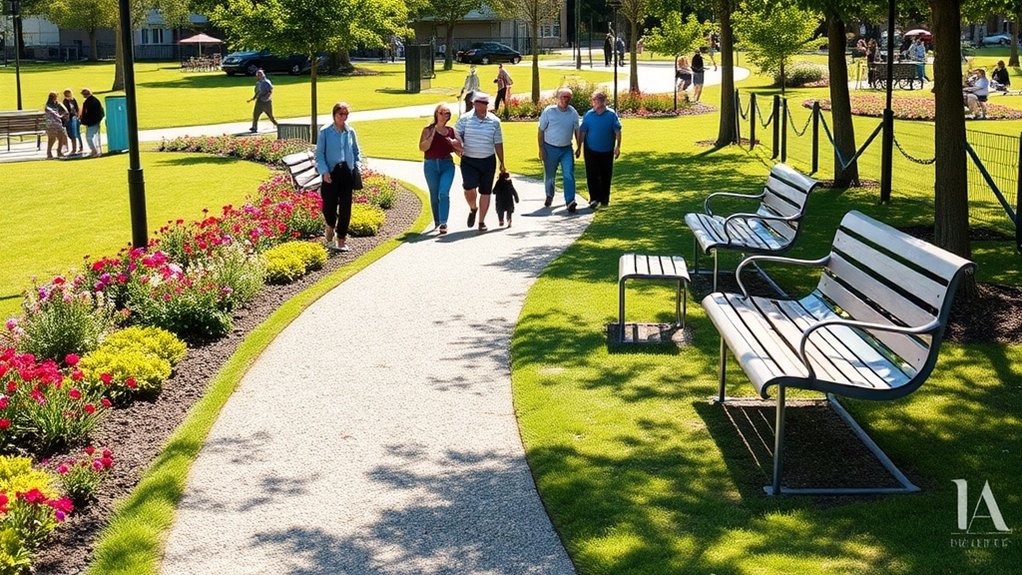
When considering accessibility and safety in public areas, resin-bound gravel surfaces emerge as an excellent choice. These surfaces provide a smooth, stable foundation that significantly reduces trip hazards, making them ideal for wheelchair users and pedestrians with limited mobility. Key safety features, such as slip resistance and high permeability, help prevent water pooling, thus improving safety in wet conditions.
| Feature | Accessibility Benefits | Safety Innovations |
|---|---|---|
| Smooth Surface | Suitable for mobility aids | Minimises trip hazards |
| High Permeability | Reduces flooding and ice build-up | Enhances drainage |
| Custom Slip Resistance | Caters to diverse needs | Improves grip in both wet and dry conditions |
| Seamless Design | Fosters inclusive public spaces | Preserves surface integrity |
Installation Techniques and Maintenance Best Practices
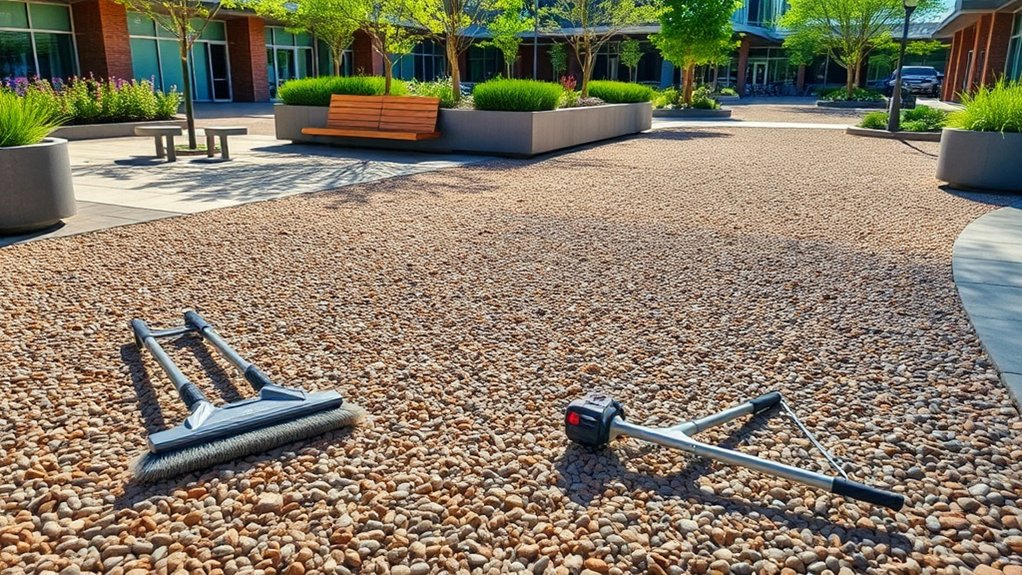
For a successful installation of resin-bound gravel, careful planning and execution are key. Start with a thorough site assessment to ensure proper drainage and soil stability. Clear away any debris and apply a quality primer to concrete or tarmac for improved bonding.
During installation, use high-quality materials and mix the resin with aggregates in precise ratios for a thick, consistent texture. Apply the mix evenly at a thickness of 15–20mm, ensuring neat edges.
To maintain the surface long-term, regularly sweep away debris and use low-pressure washing when necessary. Address any cracks promptly to prevent water damage. Reapply sealants as needed to keep the appearance fresh, and keep an eye on drainage channels to ensure optimal performance.
Following these installation and maintenance best practices will guarantee durability and functionality for your resin-bound gravel.
Aesthetic Flexibility and Design Integration
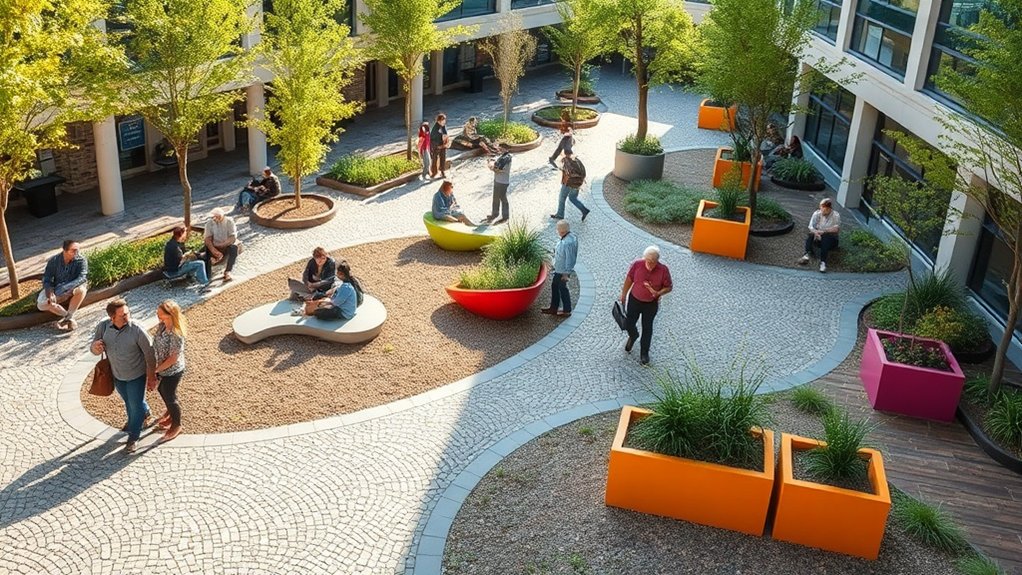
When considering resin-bound gravel for your project, the range of custom colour options lets you match the surface to your design vision.
This adaptability not only boosts visual appeal but also ensures it fits well with heritage designs, blending seamlessly into any setting.
Custom Color Selections
When considering resin-bound gravel options, custom colour selections provide excellent aesthetic flexibility and design integration.
With a variety of colours available, from natural stone shades to bold reds and purples, you can personalise surfaces to match your project’s vision.
By using colour psychology, you can evoke certain emotions and complement existing architecture or landscapes.
Techniques like blending create multi-tonal finishes that really catch the eye.
Moreover, UV-stable resins ensure that colours remain vibrant and resist fading over time.
Whether you prefer earthy tones or striking contrasts, these custom options enhance aesthetics while supporting sustainable landscaping practices.
Heritage Design Compatibility
When considering options for heritage projects, resin-bound gravel is a top choice due to its aesthetic flexibility and design integration. This material enhances the visual appeal of heritage sites while preserving their character. Its natural look, along with a range of aggregate sizes and textures, offers custom solutions that harmoniously fit with historical architecture.
| Feature | Benefit | Example |
|---|---|---|
| Aesthetic Flexibility | Complements period properties | Enhances stonework |
| Low Maintenance | Minimises upkeep | Provides slip-resistant surfaces |
| Customisation | Bespoke designs | Allows for unique patterns or graphics |
Incorporating resin-bound gravel can effectively marry modern needs with the charm of historical settings.
Successful Case Studies of Resin-Bound Gravel Installations
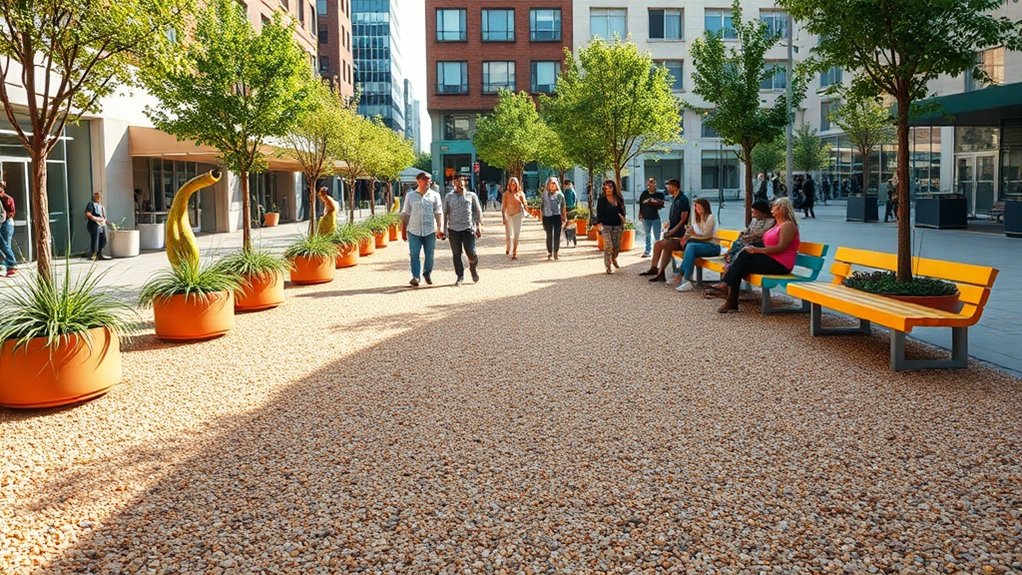
Successful resin-bound gravel installations demonstrate how this modern surface can enhance various spaces, improving both appearance and functionality.
For example, the Essex project used a ‘Golden Tan’ mix, overcoming installation hurdles while ensuring compliance with Sustainable Urban Drainage Systems (SuDS).
The Ocean Grey driveway not only elevated aesthetic standards but also provided a robust surface for high-traffic areas.
The Jaguar Land Rover project created an attractive walkway that facilitates visitor movement while promoting environmental sustainability.
Each case study illustrates the versatility and low maintenance of resin-bound gravel, making it an excellent choice for public areas that seek to blend beauty with practicality.
Frequently Asked Questions
How Does Resin-Bound Gravel Compare to Traditional Paving Materials?
Resin-bound gravel is more durable than traditional paving materials, providing a longer lifespan and better damage resistance. Its attractive design options can enhance any space while requiring less maintenance, making it a smart choice for those seeking lasting value. For instance, it’s ideal for driveways and garden paths, offering both functionality and visual appeal.
Can Resin-Bound Surfaces Be Installed on Sloped Areas?
Yes, resin-bound surfaces can be installed on sloped areas by using proper techniques and ensuring good drainage. This helps prevent water build-up and improves stability, making it a durable and slip-resistant option for sloped spaces, such as driveways or garden paths.
What Is the Average Lifespan of Resin-Bound Gravel Installations?
Resin-bound gravel installations usually last between 15 and 25 years. However, with proper installation and regular maintenance, they can last up to 30 years. Using high-quality materials and taking care of your surface can significantly extend its lifespan.
How Do Temperature Fluctuations Affect Resin-Bound Surfaces?
Temperature fluctuations significantly affect resin-bound surfaces, leading to expansion and contraction. To enhance their resilience to temperature changes, ensure proper drainage and choose flexible formulations. These measures can help reduce damage from thermal stress over time. Regular maintenance is also crucial to keep surfaces in good condition.
Are There Any Color Fading Issues Over Time With Resin-Bound Gravel?
Yes, colour fading can happen over time with resin-bound gravel. However, regular maintenance, such as cleaning and resealing, can significantly improve colour retention. For instance, a simple wash and reapplication of sealant every few years can keep your surface looking vibrant and appealing for many years.
Conclusion
If you’re still navigating cracked pavements and muddy parks, it’s time to consider resin-bound gravel. It offers a stylish look, is eco-friendly, and reduces the risk of slipping during your morning run. Transforming public spaces with resin-bound gravel is not just a passing trend; it’s essential. After all, who wouldn’t prefer walking on a smooth, attractive surface?