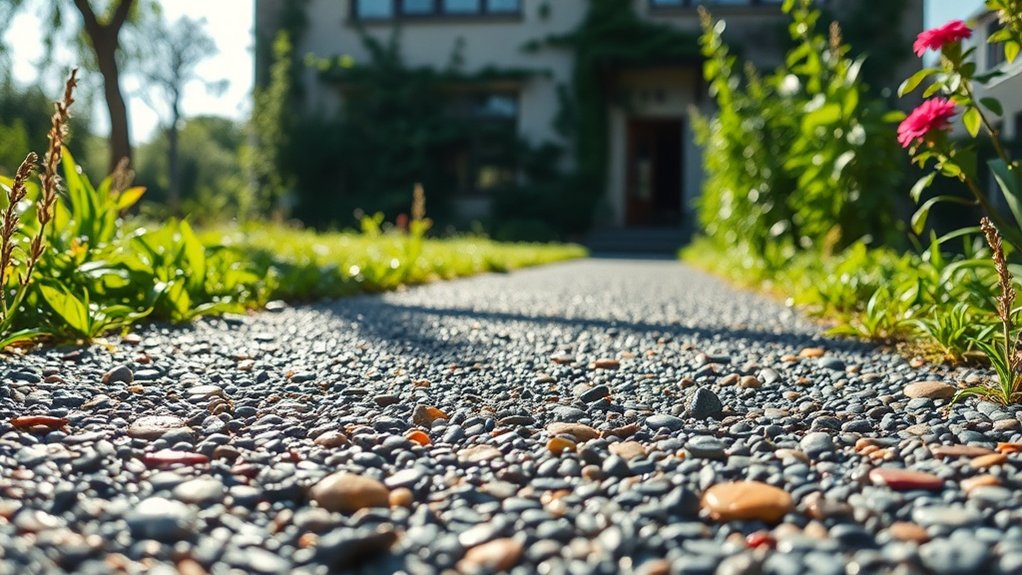
Climate change is increasing flooding risks in urban areas, making permeable resin-bound gravel an attractive solution. This innovative material allows water to drain efficiently, reducing surface runoff and overcoming the limitations of traditional drainage systems. It not only improves the appearance of properties but also supports local ecosystems by filtering rainwater and replenishing groundwater supplies. As the demand for sustainable materials in urban planning grows, the advantages of this product become even more apparent.
Key Takeaways
- Increased urban flooding due to climate change underscores the need for effective drainage solutions like permeable resin-bound gravel.
- This material supports Sustainable Urban Drainage Systems (SUDS), which are essential for cities adapting to climate challenges.
- As traditional drainage systems struggle, the demand for permeable options that facilitate efficient water infiltration is growing.
- Buyers are increasingly prioritising eco-friendly features, such as resin-bound gravel, in response to sustainability concerns linked to climate change.
- Permeable resin-bound gravel not only filters pollutants but also improves local water quality, making it an attractive option in areas affected by climate issues.
The Rising Threat of Urban Flooding Due to Climate Change
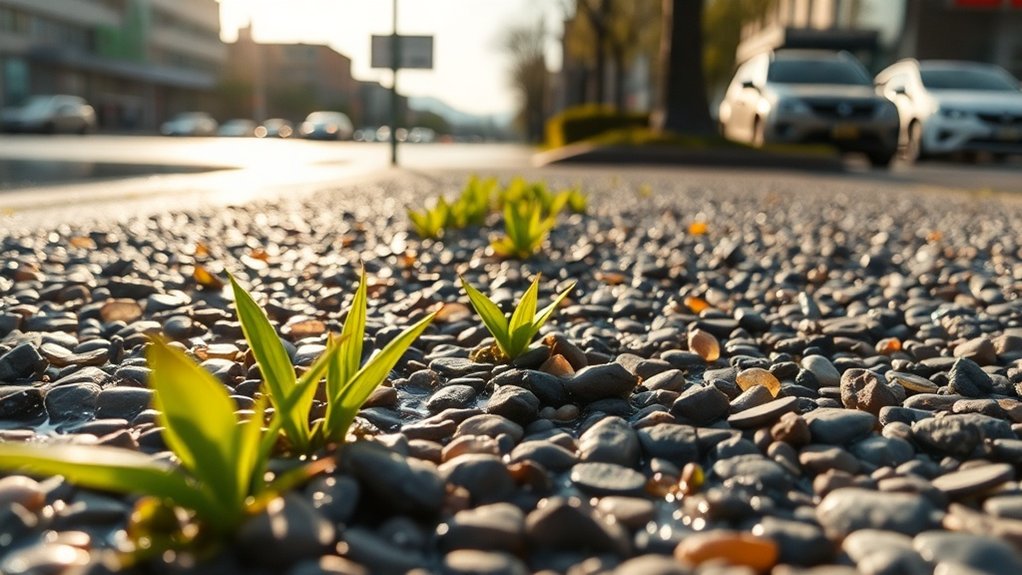
As climate change worsens, urban flooding has become a serious issue that demands your attention. Flooding events are occurring more frequently and with greater intensity, overwhelming drainage systems that were designed decades ago. With increasingly severe storms hitting cities, traditional flood management is proving insufficient, resulting in significant economic losses and public health threats. The loss of green spaces that naturally absorb rainwater has only made matters worse, leaving urban areas at greater risk. It’s crucial to understand that without urgent investments to upgrade our flood infrastructure, the consequences could be severe. Ignoring this issue could lead to enormous financial costs and a decline in community well-being. Floods account for 35-40% of weather-related disaster occurrences, highlighting the urgent need for effective flood management strategies. This situation calls for innovative solutions like permeable surfaces, which can significantly alleviate drainage issues and reduce the risk of flooding. Tackling urban flooding isn’t just an environmental challenge; it’s vital for the resilience and stability of our communities.
Understanding Permeable Resin-Bound Gravel as a Solution

Urban flooding is becoming a significant issue due to climate change, and permeable resin-bound gravel offers a practical solution for improving drainage and reducing water runoff. This innovative material consists of natural aggregates bonded with resin, resulting in a porous surface that allows water to pass through easily. Its unique composition promotes efficient water infiltration into the ground, aiding natural drainage processes. By meeting SUDS standards, it eliminates the need for planning permission, making it an increasingly popular choice for urban development projects. Additionally, the use of resin bound surfaces supports sustainable urban drainage systems that prevent local flooding and promote healthy ecosystems.
| Feature | Benefit | Performance Metric |
|---|---|---|
| Permeable Technology | Improves drainage | Handles up to 850 litres/sqm/min |
| Slip-resistant Surface | Enhances safety in wet conditions | Textured aggregate for better grip |
| Low Maintenance | Minimises upkeep | No need for periodic sealing |
Environmental and Ecological Advantages of Permeable Surfaces
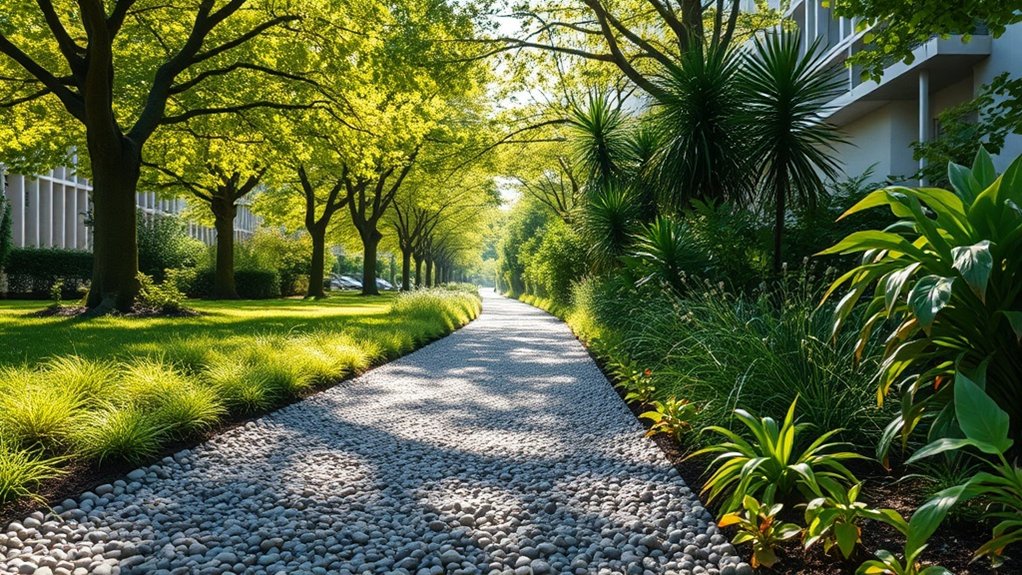
Permeable resin-bound gravel not only helps prevent urban flooding but also offers several environmental benefits that enhance sustainability.
By allowing rainwater to drain naturally, these surfaces significantly reduce surface runoff and support local water cycles. This process helps replenish groundwater, which is vital for maintaining balanced water tables and supporting biodiversity. Additionally, maintaining permeability levels is essential for effective drainage, ensuring the gravel’s eco-friendliness and longevity.
As rainwater filters through, it removes pollutants like oil and road salt, improving water quality and safeguarding local ecosystems. Additionally, the use of recycled materials in the construction of resin-bound gravel further reduces landfill strain, contributing to a more sustainable approach to landscaping.
When installed correctly, permeable systems can handle large volumes of water, helping to prevent erosion and protect habitats.
Ultimately, adopting permeable surfaces contributes to healthier urban environments, allowing development to coexist with nature while promoting resilience and ecological integrity.
Durability and Climate Adaptation of Resin-Bound Gravel

When considering the long-term resilience of urban surfaces, resin-bound gravel is a standout choice due to its durability and ability to adapt to climate challenges.
Here are some key factors that enhance its resilience:
- It lasts between 20 to 30 years with proper installation, significantly outlasting loose gravel.
- UV-stable resins prevent yellowing and degradation over time.
- The flexible surface accommodates ground movement, reducing the risk of cracking.
- Its permeability allows for efficient drainage, helping to mitigate flooding.
- It requires minimal maintenance, keeping the surface intact and functional.
These features make resin-bound gravel an excellent option for urban areas facing extreme weather.
Its capability to endure harsh conditions while providing effective drainage highlights its role in sustainable urban planning.
Choosing resin-bound gravel prioritises both longevity and climate adaptability.
Growing Demand for Sustainable Materials in Urban Planning
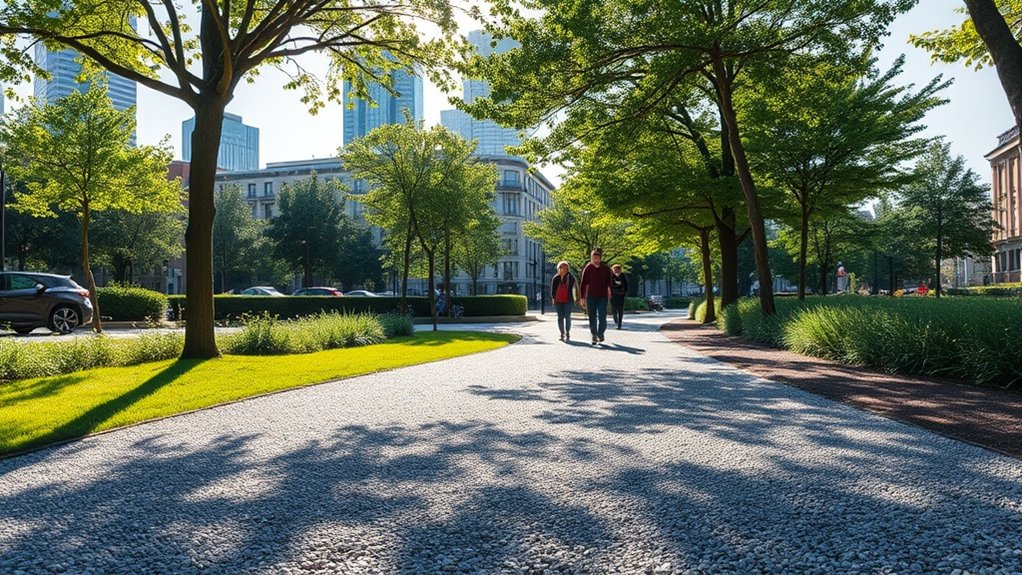
As urban areas contend with the challenges of climate change and rising populations, the demand for sustainable materials in urban planning has significantly increased.
Sustainable design is no longer just a trend; it’s essential. With the global market for sustainable materials expected to grow substantially, urban planners are now prioritising materials that reduce carbon emissions and enhance environmental resilience.
This shift includes the use of recycled aggregates, low-carbon concrete, and innovative options like mass timber. By incorporating green infrastructure, cities can boost urban biodiversity, creating more liveable and ecologically balanced environments.
Furthermore, policy mandates and investor expectations are transforming sustainability from a choice into a fundamental requirement, ensuring that future urban development aligns with climate objectives.
Economic Benefits and Practical Considerations for Homeowners
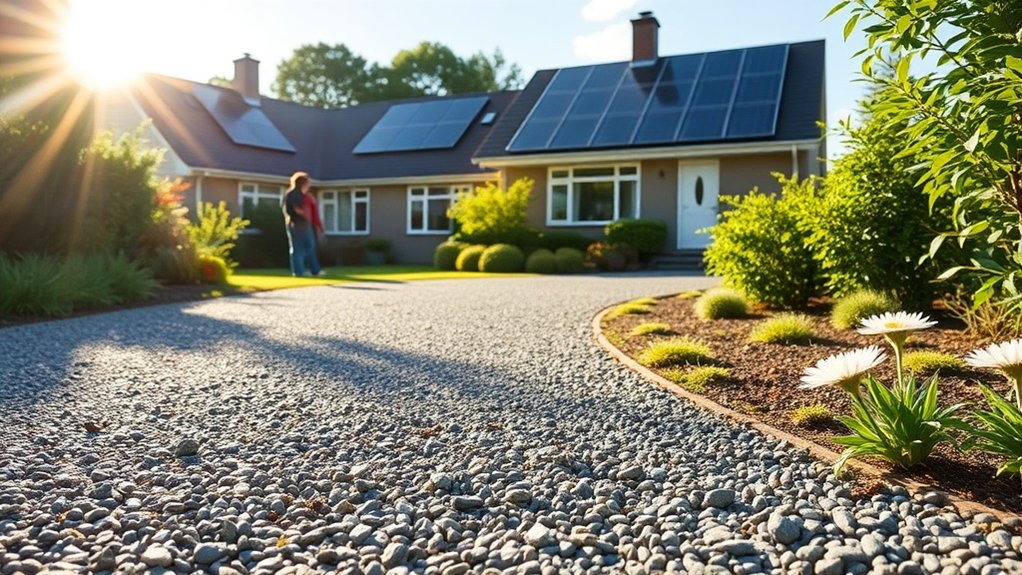
Investing in permeable gravel provides long-term savings that traditional materials can’t match, due to low maintenance and excellent durability.
This choice enhances your property’s curb appeal and can increase its market value when you decide to sell.
Furthermore, it supports environmentally friendly practices, making it a smart financial decision for homeowners across the UK.
Long-Term Cost Savings
When selecting paving options, many homeowners focus on the initial costs. However, choosing permeable gravel surfaces can lead to significant long-term savings. A detailed lifecycle analysis reveals that resin-bound gravel compares favourably to traditional paving.
- Minimal maintenance means lower cleaning and repair costs.
- No need for regular weeding or joint replenishment.
- Durable surfaces resist cracking, reducing patch-up expenses.
- Installation is often quicker and more cost-effective.
- No additional drainage infrastructure is required.
Enhanced Property Value
Opting for resin-bound gravel for your property isn’t just about boosting its visual appeal; it’s also a smart investment that can significantly increase its market value.
Research indicates that such installations can raise property values by 5% to 10%, and in some cases, even as much as 20%.
The attractive, customisable designs enhance curb appeal, appealing to buyers who value aesthetics and eco-friendliness.
Moreover, adherence to Sustainable Urban Drainage Systems (SuDS) adds to this attractiveness, making your home more appealing in the current market.
Properties with resin-bound driveways typically sell more quickly and achieve higher resale prices, reflecting the growing preference for sustainable, durable, and low-maintenance options.
This combination can considerably elevate your property’s overall value.
Frequently Asked Questions
How Does Permeable Resin-Bound Gravel Affect Local Wildlife Habitats?
Permeable resin-bound gravel benefits local wildlife habitats by creating corridors for animals and aiding in habitat restoration. It enhances water drainage, reduces pollution, and encourages biodiversity, helping various species thrive in urban settings. For instance, it allows rainwater to seep through, replenishing groundwater and providing vital moisture for plants and insects. This makes urban areas more inviting for wildlife, fostering healthier ecosystems.
Can Permeable Surfaces Be Installed in Cold Climates?
Yes, permeable surfaces can be installed in cold climates. Using the right installation techniques ensures effective winter maintenance, preventing ice formation. This approach maintains drainage efficiency and withstands freeze-thaw cycles, leading to long-lasting performance. For instance, using a sub-base that allows water to drain while remaining stable can help manage winter conditions effectively.
What Colors and Designs Are Available for Resin-Bound Gravel?
Resin-bound gravel is available in a variety of colours, ranging from natural earthy shades to vibrant hues. Its versatility in design enables the creation of distinctive patterns and textures, making it ideal for enhancing outdoor areas like patios and driveways. Whether you prefer a subtle, classic look or something more striking, there’s a resin-bound option to suit your taste.
Is Resin-Bound Gravel Suitable for Driveways and Parking Lots?
Yes, resin-bound gravel is a great option for driveways and parking areas. Its robust surface can handle the weight of vehicles, and the variety of aggregate colours can enhance the overall look of your property. It combines both practicality and style effectively.
How Is the Installation Process for Permeable Resin-Bound Gravel?
The installation process for permeable resin-bound gravel requires careful preparation. First, assess the base to ensure it’s stable. Next, create a solid sub-base to support the surface. Then, mix the resin with aggregates thoroughly. Finally, apply the mixture evenly to form a durable, slip-resistant finish. This method is ideal for driveways and pathways, allowing rainwater to drain naturally.
Conclusion
As urban areas adapt to the challenges of climate change, permeable resin-bound gravel stands out as a practical solution. This material effectively absorbs rainwater, helping to reduce flooding and supporting the local ecosystem. By choosing permeable gravel for your driveway, you’re not just making a smart choice for your property; you’re contributing to sustainable urban development. This decision reflects a commitment to resilience, promoting a future where nature and urban living coexist harmoniously.