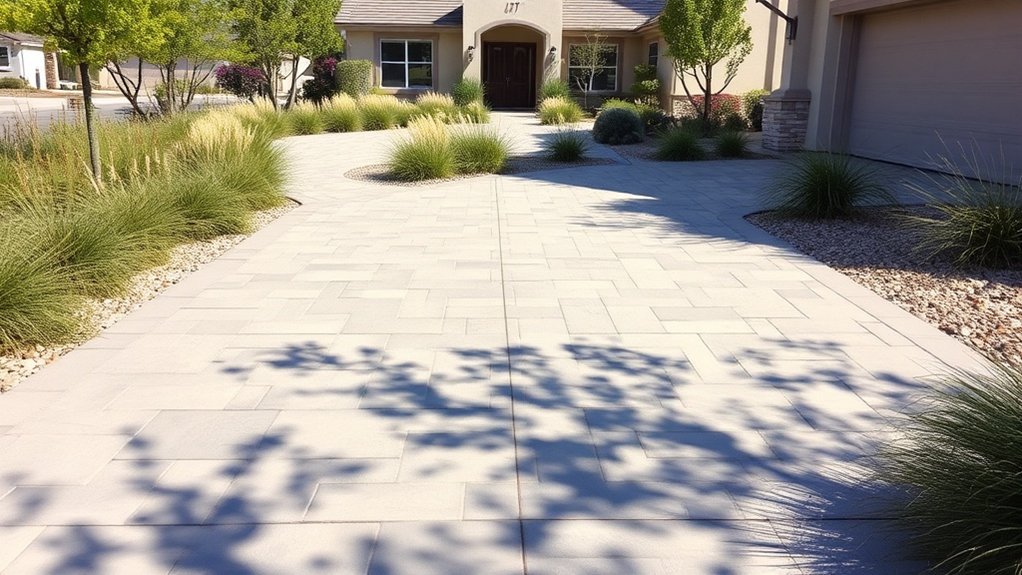
If you’re seeking low maintenance driveway ideas for your home in Harold Hill, consider gravel, concrete, or stone. Gravel is budget-friendly and needs very little upkeep. Concrete, while slightly more expensive, offers durability and requires only occasional sealing to maintain its strength. Stone driveways add a touch of natural elegance and provide good drainage, needing just some occasional raking and topping up. Each choice caters to different styles and budgets, so explore your options to find the perfect driveway that complements your home.
Key Takeaways
- Gravel driveways are a low-maintenance choice for homes in Harold Hill, requiring just occasional raking and top-ups, making them an economical option.
- Concrete driveways are durable and need minimal upkeep, with sealcoating recommended every 2-3 years to maintain their condition.
- Stone driveways offer a blend of aesthetic appeal and practicality, needing regular raking and annual replenishment to stay in good shape.
- Proper installation and base preparation are crucial for enhancing driveway durability, which helps minimise the need for frequent repairs and maintenance.
- Eco-friendly options for weed control and upkeep provide a sustainable driveway solution that’s better for the environment.
Gravel Driveways: An Affordable Option
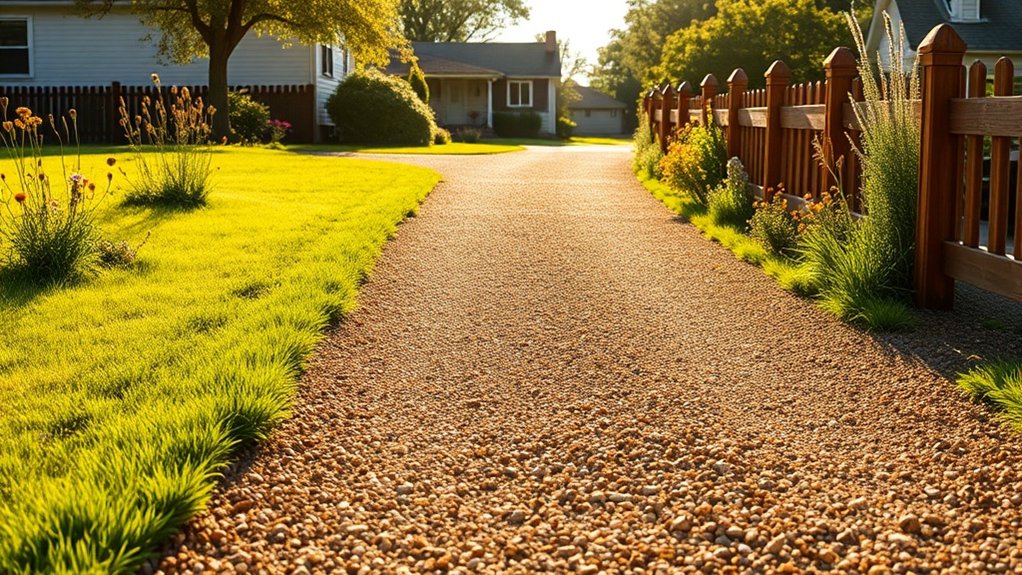
If you’re seeking an affordable driveway solution, gravel driveways could be just what you need. The upfront cost for crushed gravel is typically one-third to one-half that of concrete or tarmac.
You can also save on installation costs, as it’s a feasible DIY project. Various gravel types, such as crushed aggregate or pea gravel, offer comfort and stability. Maintaining proper drainage is essential to ensure natural groundwater patterns for longevity and aesthetic appeal, making gravel driveways a practical choice for homeowners.
To prevent the gravel from spreading, consider using edging materials like timber, stone, or metal. While you’ll need to top up the gravel every 1 to 3 years, the initial low cost allows you to make gradual improvements.
Concrete Driveways: Strength and Durability
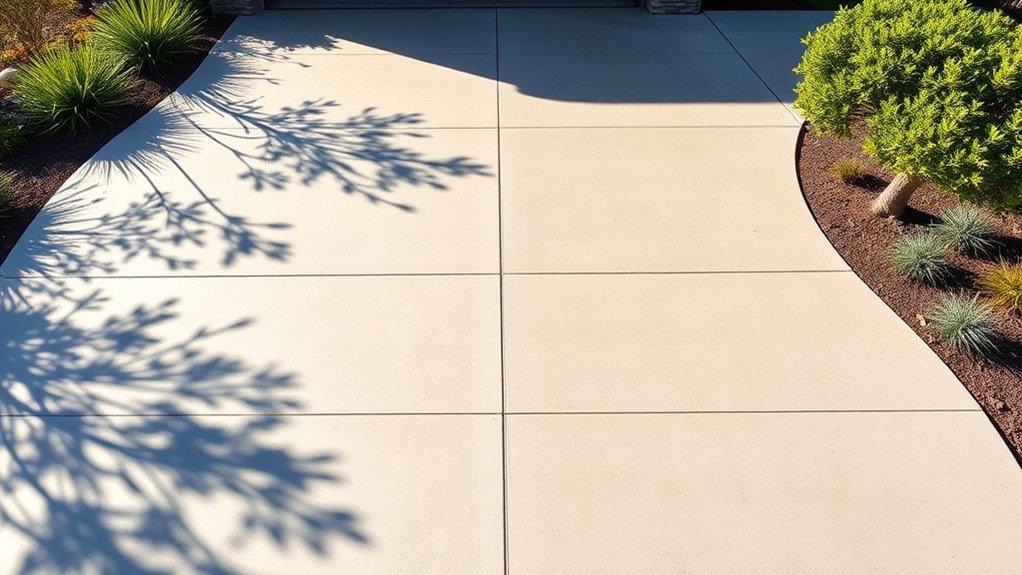
Concrete driveways may be budget-friendly, but if you’re looking for strength and longevity, concrete driveways are the better choice.
With a lifespan of 25 to 30 years, well-constructed concrete can even last up to 100 years under ideal conditions. To maximise durability, consider reinforcing the concrete with wire mesh or rebar, which helps distribute weight and reduce cracking.
For most passenger vehicles, a slab thickness of at least 4 inches is adequate, while heavier vehicles may need 5 to 6 inches. Proper installation and curing are crucial for ensuring your driveway remains robust and easy to maintain for years to come, as quality materials and professional installation can significantly enhance longevity.
Stone Driveways: Natural Aesthetics and Functionality
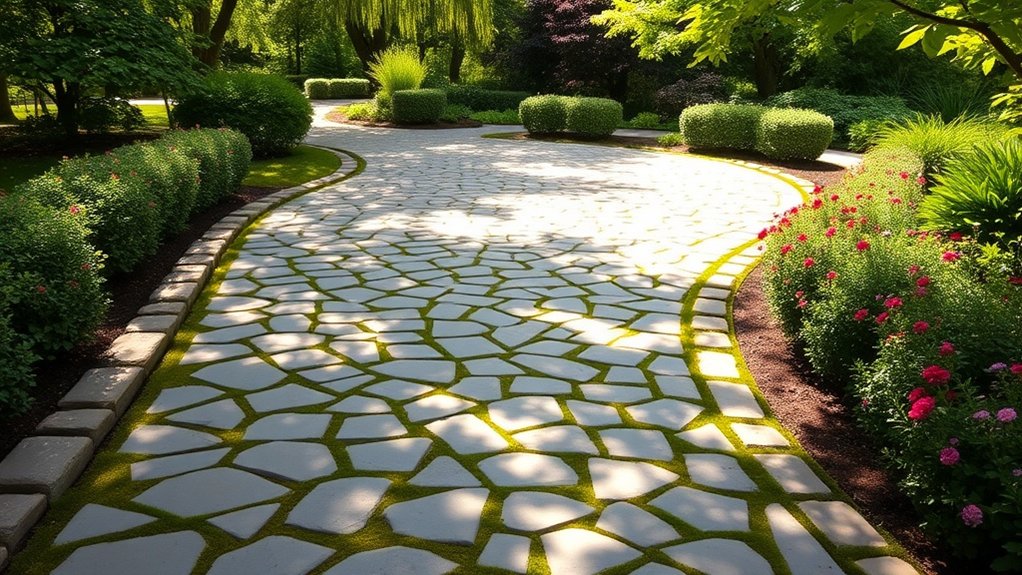
When considering driveway options, stone driveways are a top choice for their natural beauty and practicality.
The use of angular crushed stone creates a textured, rustic look that adds charm to your home in Harold Hill. These driveways lock together under traffic, ensuring stability and durability. Their permeable nature allows water to drain, making them ideal for areas prone to flooding, and they help maintain natural water management in urban settings. Additionally, chip-sealed surfaces offer a polished appearance with reduced dust. This combination of aesthetics and functionality ensures your driveway not only enhances your landscape but also endures the elements, lasting up to 40 years with minimal maintenance. Furthermore, choosing gravel driveways can be a cost-effective solution while still providing excellent drainage.
Stone driveways truly provide the best of both worlds.
Maintenance Techniques for Longevity
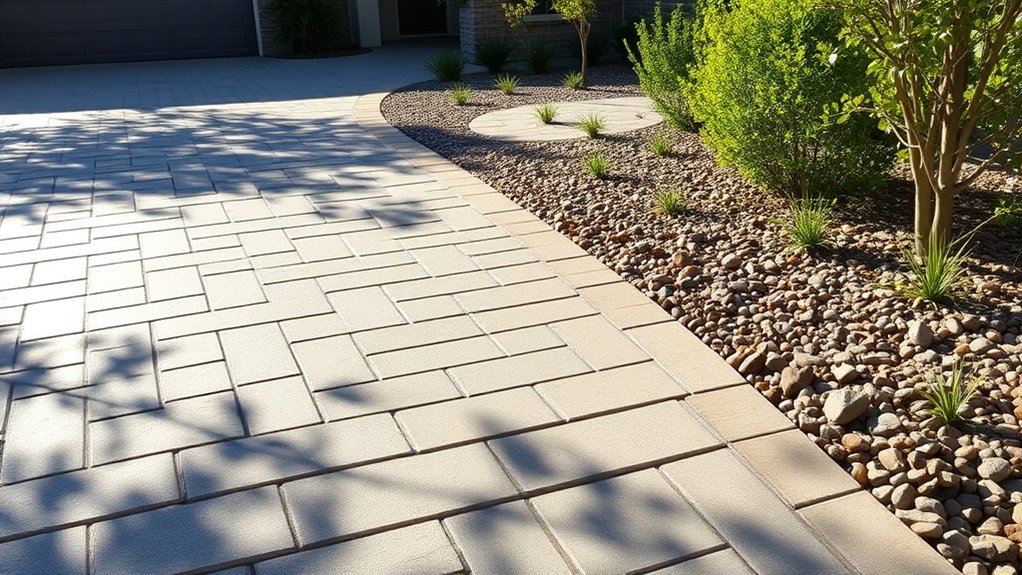
To ensure your driveway lasts for years, regular maintenance is essential. Conduct preventive inspections every six months to identify wear and tear early on. Look for cracks, potholes, and signs of surface damage, and adjust your maintenance routine according to usage and seasonal changes.
For asphalt driveways, sealcoating is beneficial as it protects against moisture, UV rays, and chemicals. Aim to apply sealcoat every 3-5 years, starting one year after installation.
If you have a concrete driveway, use high-quality sealers every 2-3 years to keep water and salts at bay.
Regular cleaning, such as sweeping and pressure washing, helps prevent dirt buildup and deterioration. Incorporating regular jet washing every few years can further maintain the integrity and appearance of your driveway surface.
Budget Solutions for Driveway Installation
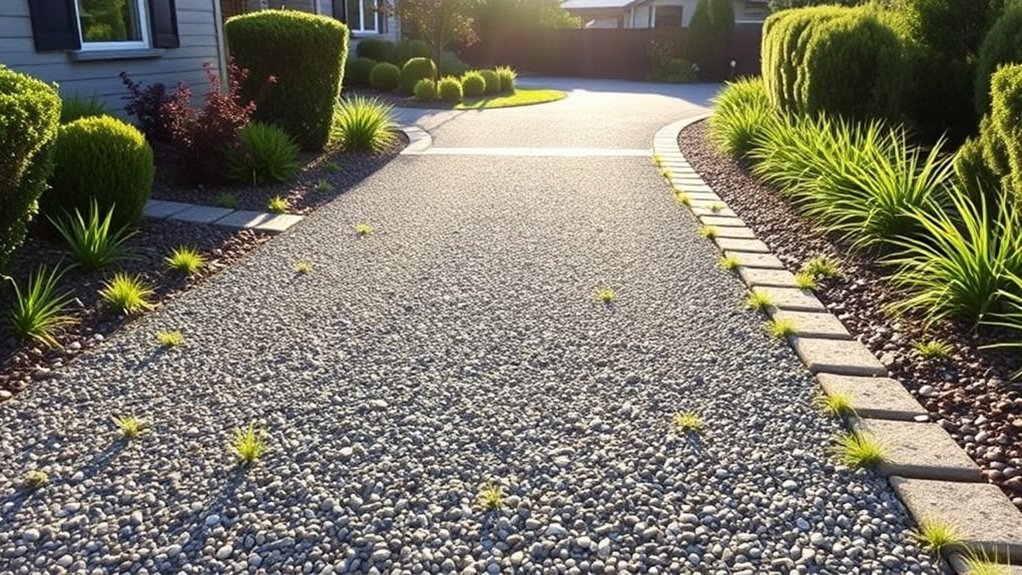
If you’re seeking budget-friendly driveway options, consider gravel driveways.
They’re cost-effective and allow for custom colours and shapes.
For existing stone surfaces, simple DIY techniques can refresh their look without costing a fortune.
Additionally, affordable concrete options are available, offering both durability and style, making them a sensible choice for your home.
Cost-effective Gravel Driveways
If you’re after a cost-effective driveway solution, gravel driveways are a great option that balances affordability and practicality.
On average, gravel installation costs around £60 per m², making it cheaper than tarmac or concrete. For a small 20m² driveway, you can expect to spend about £1,400 on materials and £600 for labour.
If you want extra stability, consider gravel with cellular grid systems, which adds around £15-£20 per m².
While gravel does require some maintenance, its lower initial costs make it a wise choice for homeowners in Harold Hill looking for budget-friendly driveway options.
DIY Stone Refreshing
Revamping your driveway with stone may seem daunting, but it’s an affordable way to improve both its appearance and functionality.
Begin by removing any plants and topsoil. Excavate to a depth of 10-15 cm, ensuring the surface is graded for drainage. Lay down geotextile fabric for stability, then add a base layer of coarse crushed stone, compacting it well.
For a simple stone refresh, periodically top up with #57 crushed stone and fine gravel, shaping it to create a slight crown for water runoff.
When compacting the gravel, lightly moisten it to help bind the materials together. Regular maintenance, such as checking for dips and refreshing the surface, will keep your driveway looking smart for years.
Affordable Concrete Options
After refreshing your stone driveway, consider concrete as an affordable installation option.
Plain poured concrete is one of the most economical choices, typically costing between £40 and £60 per square metre. To save even more, stick to basic rectangular layouts and standard trowel finishes, which help keep labour and material costs down.
Avoid decorative features and complex designs to stay within your budget. Using standard Portland cement mixes and minimising jointing can also contribute to a cost-effective solution.
With concrete driveways lasting 20 to 30 years, your initial investment is well worth it, making concrete a practical choice for durable, low-maintenance driveways in Harold Hill.
Installation Tips for a Smooth Process
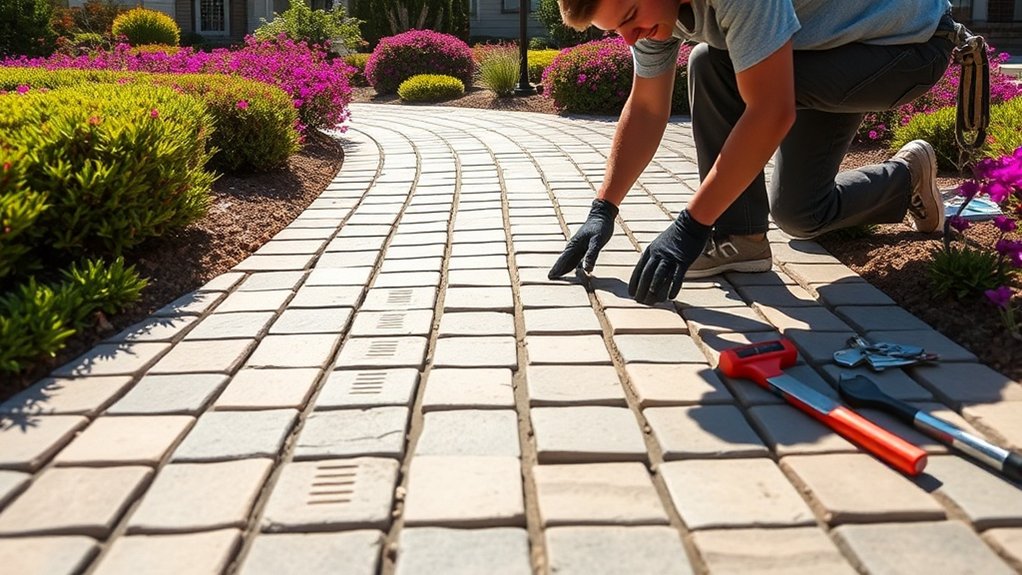
For a smooth driveway installation, begin with a detailed site assessment to check soil conditions, drainage issues, and the slope of the area. Sandy soils are typically good at draining water, whereas clay soils might need extra drainage solutions.
Once assessed, excavate the topsoil to a depth of 7-12 inches to ensure a stable subsoil. Use a spirit level to ensure the surface is even and lay geotextile fabric down to help stabilise the ground.
Next, create a solid sub-base using crushed stone, then add a sand layer to fill in any gaps. Compact this base well to form a firm surface that directs water away from your property.
Proper preparation is key to ensuring your driveway lasts for years to come.
Choosing the Right Material for Your Home
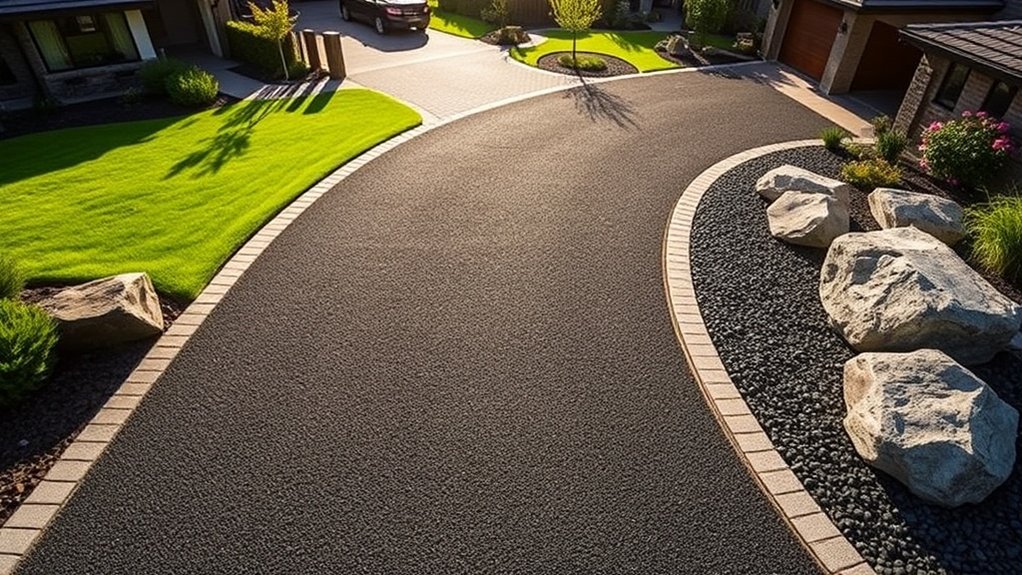
When selecting the right driveway material for your home, it’s important to weigh the benefits of gravel, concrete, and stone.
Gravel driveways provide excellent drainage and a charming, rustic appearance.
In contrast, concrete is known for its durability and requires minimal maintenance.
Gravel Driveway Benefits
When choosing a driveway for your home, a gravel driveway presents several appealing benefits. It’s budget-friendly, durable, and requires very little maintenance. Gravel can last up to 100 years, and its excellent drainage properties help prevent flooding on your property.
| Benefit | Description |
|---|---|
| Cost-Effective | Installation costs range from £20-£30 per square metre |
| Durable | Resists cracking and can handle heavy loads |
| Low Maintenance | Needs only occasional raking and top-ups |
| Superior Drainage | Prevents water pooling and directs rain away |
| Eco-Friendly | Helps recharge groundwater and reduces runoff |
With minimal upkeep and a natural aesthetic, gravel driveways are a sensible choice for your home.
Concrete Durability Features
Choosing the right material for your driveway can significantly affect its durability and performance.
Concrete is an excellent option, with a lifespan of 25 to 30 years, and with proper installation, it can last even longer—up to 40 years or more.
Here are some key features that enhance the durability of concrete:
- High-grade aggregates help prevent cracking and surface wear.
- Air-entraining agents provide resistance against freeze-thaw cycles, which is particularly important in colder climates.
- Proper base preparation ensures stability and prevents shifting over time.
- Fibre reinforcement boosts overall strength, making the surface more resilient.
Stone Driveway Maintenance Tips
Maintaining a stone driveway is vital for its durability and aesthetic appeal, helping you to avoid expensive repairs later. Here are some straightforward tips for caring for your stone surface:
| Maintenance Task | Frequency | Tips |
|---|---|---|
| Regular Raking | Every few weeks | Use a landscaping rake to even out the stones. |
| Weed Control | 2-3 times a year | Use a weed killer that is safe for gardens or opt for natural alternatives. |
| Replenish Stone | Annually | Add 2.5-4 cm of crushed stone to maintain an even surface. |
| Compaction | Annually | Hire a plate compactor to ensure the surface is level. |
| Chip Seal Option | As needed | Consider professional resealing for added durability. |
Frequently Asked Questions
What Is the Average Lifespan of a Gravel Driveway?
A gravel driveway usually lasts between 4 to 10 years, depending on factors such as traffic and weather conditions. With good maintenance, you can significantly enhance its durability, potentially extending its lifespan to 15 years or more. For instance, regular topping up with fresh gravel and ensuring proper drainage can make a noticeable difference.
Can I Install a Concrete Driveway in Winter?
You can install a concrete driveway in winter, but it’s not without risks. Concrete sets best when the temperature is between 10°C and 24°C. Curing slows down below 4°C, which can compromise the strength of the concrete. If you decide to go ahead with a winter installation, make sure to take proper precautions to ensure a successful outcome.
How Do I Prevent Weeds in My Stone Driveway?
To prevent weeds in your stone driveway, regularly rake and maintain the surface. Use pre-emergent herbicides, and consider placing landscape fabric underneath the stones for effective weed control and long-lasting maintenance. Keeping up with regular upkeep will ensure your driveway remains looking smart.
What Are the Environmental Impacts of Driveway Materials?
Driveway materials can have a substantial impact on the environment. Opting for eco-friendly choices, such as permeable pavements or recycled aggregates, can help tackle sustainability issues. These alternatives can reduce carbon footprints, limit surface runoff, and lessen habitat disruption. Plus, they promote water recharge and help minimise pollution. For instance, permeable paving allows rainwater to soak through, reducing flooding risks and keeping local waterways cleaner. Choosing the right materials can make a real difference.
Are There Any Driveway Materials That Are Completely Maintenance-Free?
No driveway materials are entirely maintenance-free. When choosing paving options, it’s important to keep in mind the need for occasional cleaning or sealing to ensure durability and performance. Consider what matters most to you: appearance or low maintenance?
Conclusion
In summary, selecting the right low-maintenance driveway for your home in Harold Hill can boost both its appearance and practicality. Whether you choose gravel, concrete, or stone, each material has distinct advantages that cater to different budgets and styles. By adhering to proper installation methods and maintenance practices, you can ensure your driveway endures for years. Take some time to consider your options, and you’ll find a driveway that enhances your home while keeping upkeep to a minimum.