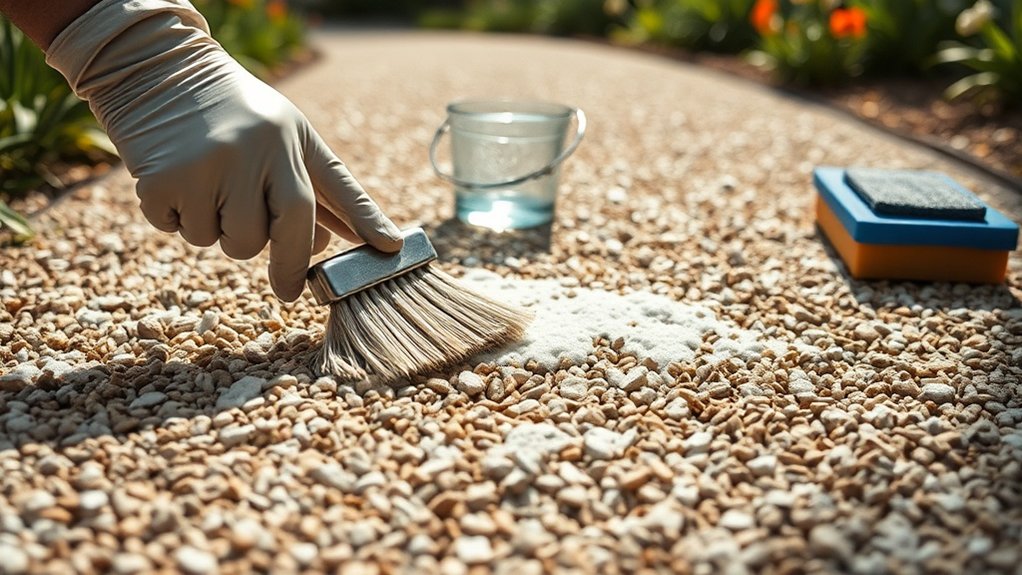
To tackle efflorescence on your resin-bound gravel, first identify any moisture problems, as this issue arises from water drawing soluble salts to the surface. Ensure you have effective drainage in place to redirect water and maintain the right slope. For minor deposits, a soft brush or diluted vinegar will suffice for regular cleaning. Additionally, consider applying breathable sealants every few years to prevent moisture accumulation and protect the surface. For more detailed strategies on managing efflorescence, keep exploring the topic further.
Key Takeaways
- Identify efflorescence by looking for white, powdery deposits on the surface of resin-bound gravel, particularly around joints or areas where water tends to pool.
- Implement proper drainage solutions to redirect water away from the gravel surface, preventing moisture build-up that can cause efflorescence.
- Use breathable sealants to block moisture from entering while allowing trapped vapour to escape, reducing the chances of efflorescence developing.
- Regularly clean any efflorescence with a soft brush or diluted vinegar, but always test any cleaning solution on an inconspicuous area first.
- Carry out annual inspections and maintain drainage systems to ensure effective moisture management and extend the life of your resin-bound gravel surface.
Understanding Efflorescence: Causes and Effects
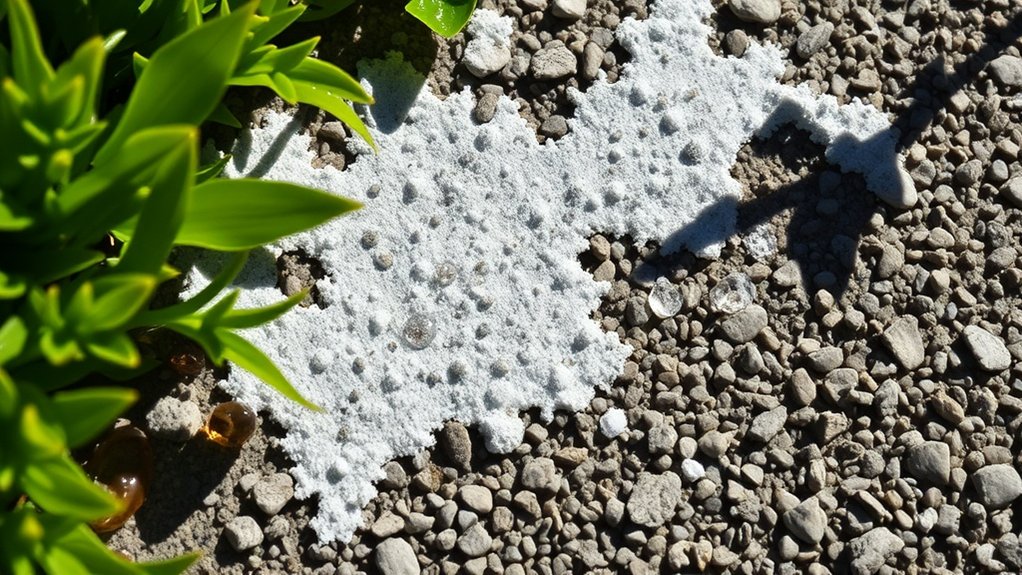
Efflorescence can appear on gravel surfaces, often indicating moisture problems beneath. This occurs when water seeps into porous materials and dissolves soluble salts found in cement and lime. As the moisture evaporates, these salts form unsightly white deposits on the surface. Efflorescence can significantly affect the aesthetics of resinous flooring by creating a visually unappealing white residue. Chemical reactions between calcium hydroxide and moisture in the air can worsen the situation, particularly in areas with high humidity or poor drainage. Additionally, freeze-thaw cycles can further increase efflorescence. To combat this, it’s essential to assess surface treatments that prevent moisture entry. Effective sealing and proper drainage can help manage salt migration, safeguarding both the appearance and structural integrity of your gravel surfaces against efflorescence.
Identifying Efflorescence on Resin-Bound Gravel
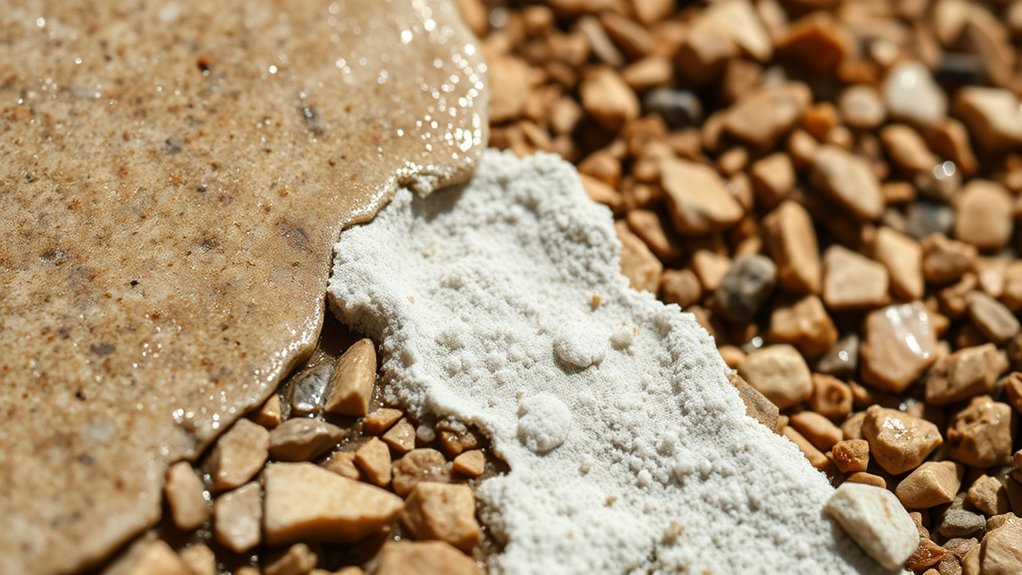
Efflorescence appears on resin-bound gravel as a noticeable white, powdery residue that can spoil its visual appeal. You may observe it forming irregular patterns or streaks, particularly near joints or in areas with inadequate drainage. This residue is odourless, feels chalky, and can be easily brushed away. To accurately identify efflorescence, use a moisture meter to assess moisture levels, which can reveal underlying issues. A simple solubility test with water or diluted vinegar can further confirm its presence, as efflorescence will dissolve due to its alkaline nature. Understanding its causes and effects aids in better identifying potential moisture issues in your resin-bound gravel. Additionally, regular inspections are crucial to catch early signs of wear that may lead to heavy vehicle impact on the resin-bound surface.
Seasonal Factors Contributing to Efflorescence
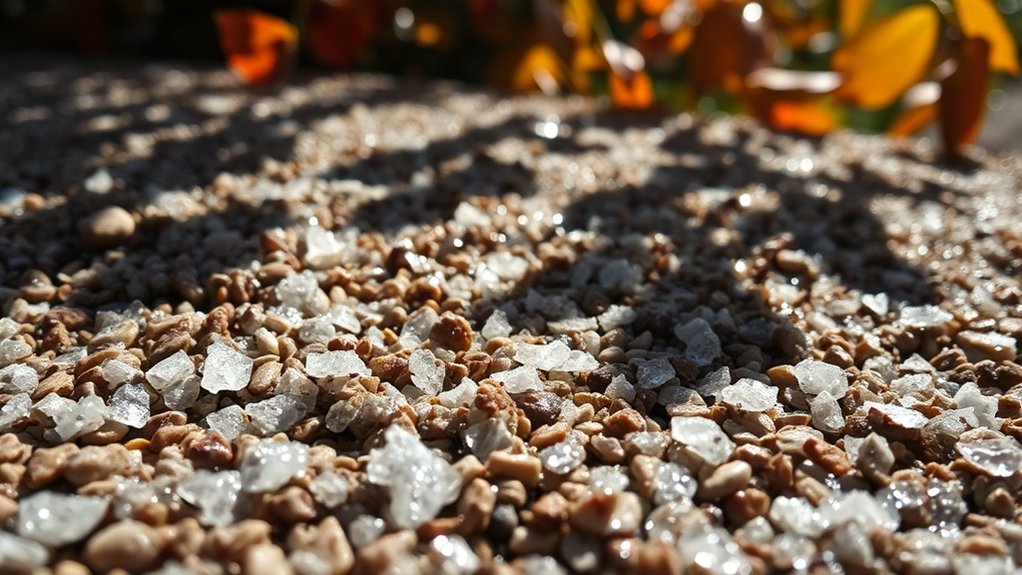
During winter, the combination of cold temperatures and increased moisture creates the perfect conditions for efflorescence to occur. With high humidity, evaporation decreases, causing soluble salts to rise to the surface of your gravel. This can lead to the formation of efflorescence due to calcium hydroxide as it migrates to the surface and reacts with carbon dioxide.
Winter Weather Impact
As winter approaches, temperature changes and moisture build-up can significantly affect resin-bound gravel, creating ideal conditions for efflorescence.
The frequent freeze-thaw cycles allow moisture to enter the gravel’s pores, where it expands and causes tiny cracks. These cracks, in turn, allow even more moisture in, worsening the efflorescence problem.
Snowmelt and thawing ice can further saturate the surface, often bringing dissolved salts from de-icing products, which raises the risk of efflorescence. During winter, lower evaporation rates keep surfaces damp for longer, promoting salt movement to the surface.
To combat these issues, proper winter maintenance is crucial. Regular cleaning and moisture management can help minimise debris, preventing moisture build-up and salt crystallisation. Additionally, ensure installation occurs when temperatures are ideally kept between 5C and 30C to avoid complications associated with efflorescence.
Additionally, addressing any damage promptly is vital for maintaining the integrity of your resin-bound gravel.
Humidity Levels Influence
Humidity levels significantly affect moisture dynamics in resin-bound gravel, creating conditions conducive to efflorescence. High humidity slows down evaporation, which allows salts to remain longer and move to the surface.
In subtropical and coastal areas, increased moisture levels accelerate this process, as capillary action draws dissolved minerals through porous materials. Shaded spots, such as garage floors and retaining walls, often become hotspots for efflorescence during humid periods.
Frequent rainfall worsens the situation by triggering wet-dry cycles that dissolve and transport salts. Additionally, coastal regions introduce salt-laden air, further complicating humidity effects and promoting mineral migration. Therefore, understanding how humidity influences moisture levels is crucial for managing efflorescence in resin-bound gravel installations effectively. Maintaining proper drainage standards can help mitigate these issues by promoting efficient water management and reducing moisture buildup.
Prevention Techniques for Efflorescence Formation
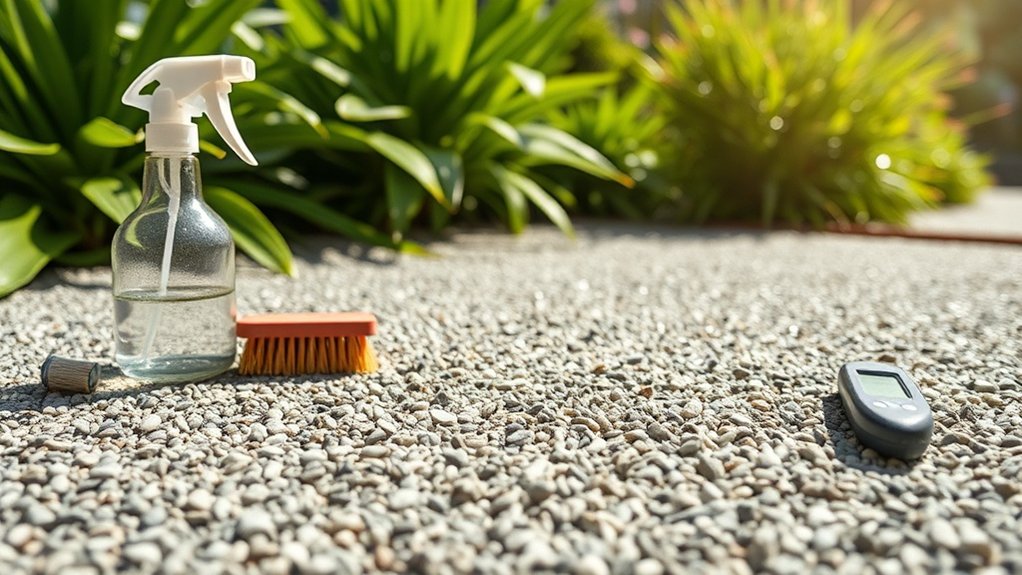
To prevent efflorescence, it’s crucial to implement effective drainage solutions that divert water away from gravel surfaces.
Using breathable sealants is key, as they prevent moisture from entering while allowing vapour to escape, which helps minimise salt migration.
Additionally, sealing cracks properly ensures that water doesn’t pool in vulnerable areas, offering further protection against unsightly efflorescence.
Proper Drainage Solutions
Effective drainage solutions are vital for preventing efflorescence on gravel surfaces, as excess moisture can cause unsightly mineral deposits.
Start by designing a drainage system that directs water away from your resin-bound gravel. Incorporate drainage channels or gullies at low points to efficiently capture and redirect runoff.
Ensure your sub-base materials consist of free-draining aggregates, such as crushed stone or gravel, to promote water movement. Maintain a slope of at least 1:80 for effective surface runoff, and regularly check and clean drainage outlets to prevent blockages.
Additionally, use geotextile membranes beneath the sub-base to stop fine particles from clogging drainage pathways. By following these steps, you can reduce moisture accumulation and protect your gravel surfaces.
Use Breathable Sealants
Managing moisture is crucial to preventing efflorescence on gravel surfaces, and using breathable sealants is a key part of this approach. These sealants allow subsurface moisture to escape, helping to prevent moisture build-up that can lead to efflorescence. It’s important to choose deep-penetrating, water-repellent sealers for long-lasting protection against moisture damage.
| Type of Sealer | Benefits | Application Notes |
|---|---|---|
| Breathable Sealants | Prevents moisture build-up | Ideal for outdoor use |
| Water-Repellent Sealers | Minimises cracking and staining | Provides long-lasting protection |
| Acrylic Co-Polymer | Effectively blocks efflorescence | Suitable for various surfaces |
Applying breathable sealants right after installation can significantly reduce the risk of efflorescence and improve the surface’s durability.
Seal Cracks Effectively
Sealing cracks promptly is vital to prevent efflorescence on gravel surfaces. Cracks let moisture in, which dissolves salts that leave unsightly deposits when the water evaporates.
Start by cleaning the crack thoroughly, using a wire brush or compressed air to remove any debris. If the crack is narrow, widen it slightly to improve the bond of the sealant.
Opt for a high-quality, flexible resin-based crack filler, and apply it with a trowel to ensure it penetrates fully. Smooth the surface for a neat finish, and apply in layers if needed.
Always seal cracks during dry weather, with low humidity and temperatures between 10°C and 25°C. Regularly check your surface and reapply sealant as necessary to keep moisture at bay and protect against efflorescence.
Effective Cleaning Methods for Efflorescence Removal
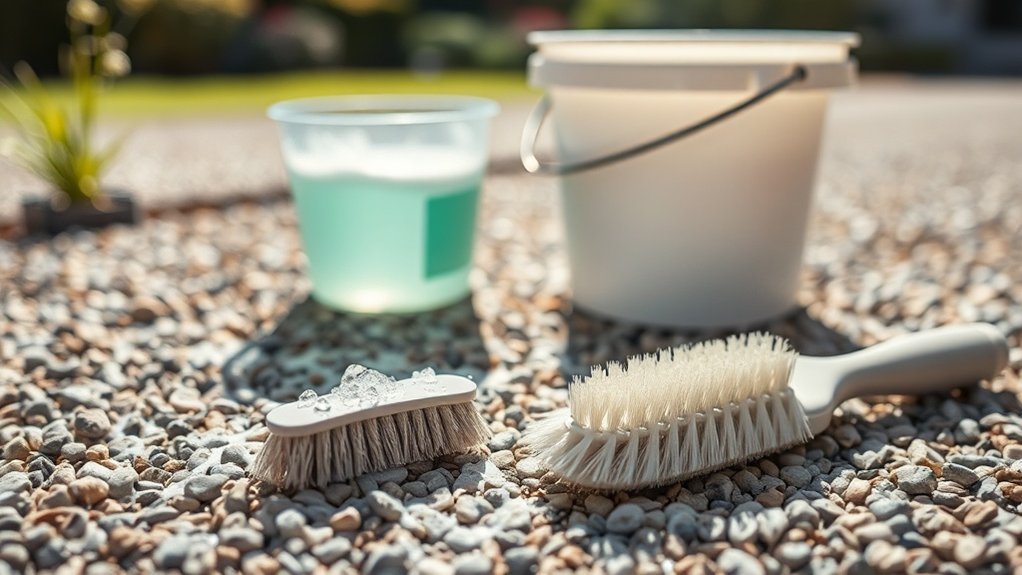
To remove efflorescence from gravel surfaces, you have several effective cleaning methods available. Mechanical techniques, such as using a soft brush with nylon bristles, can effectively dislodge deposits without causing damage. Pressure washing is an option too, but ensure you use a moderate setting to avoid exacerbating the problem. For stubborn stains, consider chemical solutions like diluted white vinegar or environmentally friendly removers, but always test these in an inconspicuous area first. Here’s a quick summary of methods:
| Cleaning Method | Description |
|---|---|
| Mechanical Cleaning | Soft brushing, moderate pressure washing |
| Chemical Solutions | Acid-based removers, eco-friendly options |
| Application Techniques | Allow dwell time, rinse thoroughly |
| Preventative Measures | Regular rinsing, avoid metal brushes |
Implement these methods for effective cleaning.
Long-Term Management Strategies for Resin-Bound Gravel
Effective long-term management of resin-bound gravel is essential for maintaining its functionality and appearance.
Begin with annual inspections to identify any wear or damage early on, and consider seasonal checks after severe weather to assess the surface integrity. Keep a record of your findings to monitor the condition over time.
Apply a UV-stable sealant every 5 to 8 years to enhance colour and durability, particularly for light-coloured surfaces.
To prevent weeds and moss, use biodegradable treatments and sweep regularly. Small cracks should be repaired promptly with matching resin for a seamless finish, while any extensive damage should be addressed by a professional.
Avoid placing excessive weight on the surface and refrain from using harsh chemicals to protect your investment.
Importance of Proper Drainage and Moisture Control
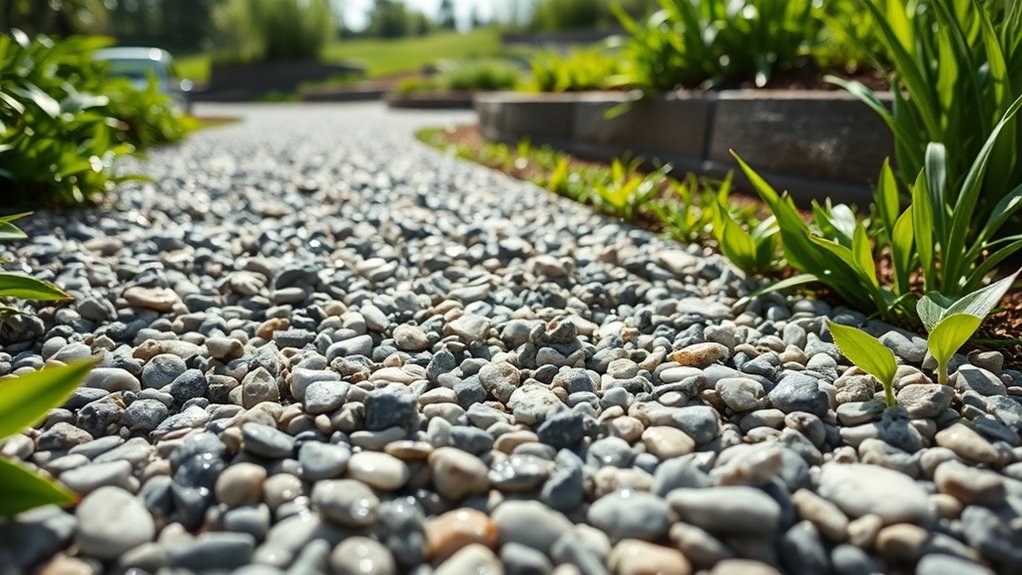
When maintaining resin-bound gravel surfaces, it’s essential to prioritise proper drainage and moisture control to ensure their longevity and performance.
Effective drainage design prevents water pooling, which can cause surface damage and unsightly efflorescence. A well-constructed permeable sub-base, such as MOT Type 3, facilitates ideal moisture retention and reduces instability.
Ensuring the sub-base thickness is between 100-250mm helps minimise the risk of movement and sinking.
Incorporating geotextile membranes can enhance moisture management, while regular maintenance of drainage systems ensures they work effectively.
Choosing the Right Sealants to Protect Your Surface
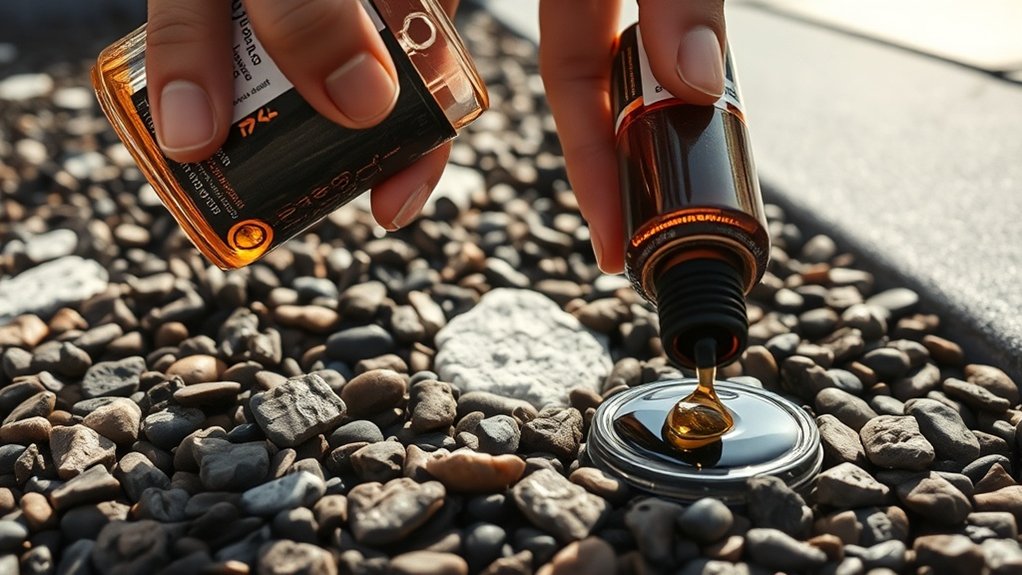
Choosing the right sealant for your resin-bound gravel surface is crucial as it affects both its appearance and lifespan. When selecting a sealant, consider factors such as the level of foot traffic and local weather conditions. Here’s a quick comparison of popular sealants:
| Sealant Type | Key Features |
|---|---|
| Acrylic Sealers | UV protection, clear finish |
| Polyurethane Sealers | High durability, flexible for busy areas |
| Water-Based Sealers | Low VOC, eco-friendly, ideal for DIY |
| Penetrating Sealers | Excellent moisture resistance |
Ensure the surface is properly prepared before application to achieve the best adhesion. Techniques like using Premium UVR resin can enhance both durability and appearance. Regular resealing will help keep your surface looking its best for longer.
When to Seek Professional Help for Efflorescence Issues
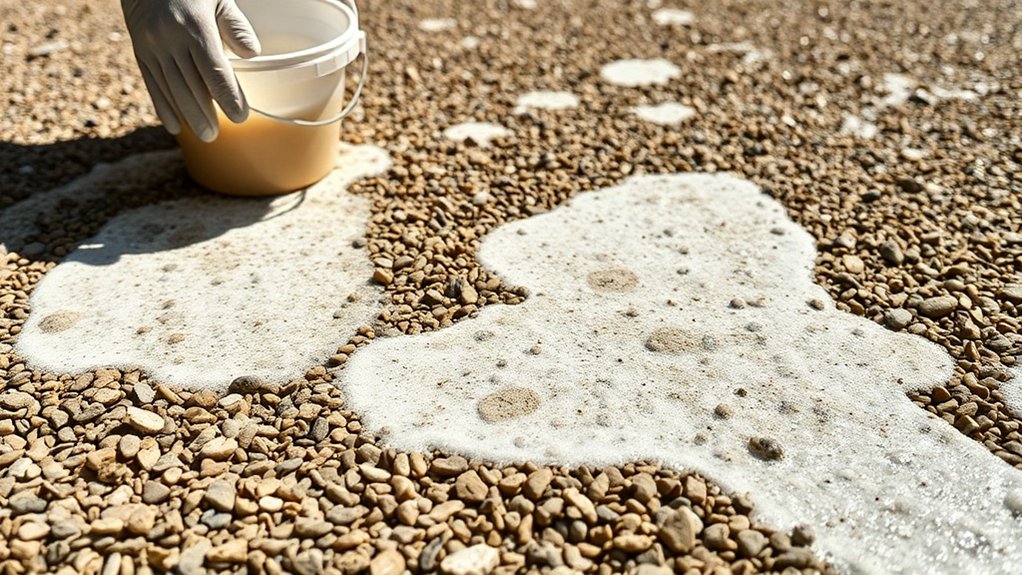
Even with effective sealants on your resin-bound gravel surface, efflorescence can still create problems.
If you notice persistent white or greyish powdery deposits returning despite your cleaning efforts, it’s wise to consider seeking professional help. A quick return of efflorescence within weeks may indicate underlying moisture issues.
If you observe heavy salt deposits causing surface damage or staining that standard cleaning methods can’t tackle, don’t hesitate to contact a specialist. They can identify issues such as leaky pipes or drainage design flaws that could be worsening the situation.
Addressing these concerns early can save you from extensive damage and help keep your gravel surface looking good and lasting longer.
Frequently Asked Questions
Can Efflorescence Damage My Resin-Bound Gravel Surface?
Yes, efflorescence can indeed harm your resin-bound gravel surface. It can weaken the bond and increase moisture retention. To avoid this, ensure proper sealing and use breathable sealers after cleaning to preserve both the structural integrity and appearance of your surface.
How Often Should I Inspect for Efflorescence?
Inspect for signs of efflorescence every three months, increasing the frequency after severe weather. Look for white deposits, discolouration, and changes in texture to identify potential issues early. This will help keep your resin-bound gravel in top condition throughout the year.
Is Efflorescence Harmful to Plants Nearby?
Efflorescence can indirectly affect nearby plants by changing soil pH and raising salinity levels. Although it isn’t directly toxic, its presence can limit nutrient availability, which may lead to issues like root rot and fungal diseases. For example, if efflorescence accumulates on the soil surface, it can create a harsh environment for plant roots, hindering their growth and health.
What Materials Are Best for Sealing Resin-Bound Gravel?
For sealing resin-bound gravel, polyurethane or epoxy sealants are your best options. These sealants improve durability and appearance, offering excellent weather resistance and strong bonding. They provide a long-lasting finish, making them suitable for various outdoor conditions, such as driveways and pathways.
Can Efflorescence Return After Cleaning?
Yes, efflorescence can reappear after cleaning, typically within 14 to 28 days. To minimise the chances of it returning, use breathable sealers and effective cleaning methods. Keeping surfaces dry will also help improve your results.
Conclusion
To tackle efflorescence on your resin-bound gravel, a straightforward approach is essential. Start with prevention by ensuring proper drainage and selecting suitable sealants. Managing moisture is crucial; consider using a dehumidifier or ensuring good airflow in the area. For cleaning, use a stiff brush and a mild detergent to remove the white powdery residue effectively.
If you find that efflorescence persists despite your efforts, it may be wise to consult a professional. With a bit of effort and attention, you can keep your gravel looking fantastic for years to come.