To ensure compliance with resin-bound gravel standards, start by following the thickness guidelines: 15 mm for footpaths, 18 mm for driveways, and 22 mm for commercial areas. Choose an aggregate mix of 75% coarse and 25% finer gravel, and lay a solid base using MOT Type 1 or 3 aggregates. Ensure permeability by keeping the sub-base clean and adhering to SuDS regulations. By focusing on these elements, you’ll create a robust and durable surface.
Key Takeaways
- Adhere to minimum thickness guidelines: 15 mm for footpaths, 18 mm for residential driveways, and 22 mm for commercial areas to ensure durability.
- Employ a balanced aggregate blend of 75% coarse aggregate and 25% finer gravel, maintaining a moisture content below 0.5% for optimal adhesion.
- Establish a solid base layer with at least a 100mm C35 concrete slab for vehicle areas, and properly compact the sub-grade soil to avoid subsidence.
- Choose UV-stable and permeable resins that meet Sustainable Urban Drainage Systems (SuDS) standards to promote environmental sustainability.
- Conduct regular inspections and maintenance of surfaces, promptly addressing any drainage issues to maintain compliance with safety and performance regulations.
Understanding Resin-Bound Gravel Thickness Requirements

When planning your resin-bound gravel installation, it’s crucial to know the thickness requirements for different uses.
For pedestrian areas, aim for a minimum thickness of 15 mm. This ensures durability, adequate tensile strength, and effective drainage, meeting Sustainable Drainage System (SuDS) standards. Additionally, resin bound paving is favored for its permeable qualities, which enhance water management in these areas. The depth of at least 15 mm is necessary to prevent structural vulnerabilities that could compromise the surface over time.
For residential driveways, increase the thickness to at least 18 mm to support vehicle traffic and ensure long-lasting durability.
In commercial settings, a thickness of 22 mm is recommended to cope with heavier loads.
Thicker installations not only improve structural integrity but also reduce the likelihood of cracking.
Following these guidelines will help you achieve a durable and attractive surface that showcases the benefits of resin.
Selecting the Right Aggregate Mix

Selecting the right aggregate mix is crucial for a durable and attractive resin-bound gravel surface.
Here are three key factors to consider:
- Aggregate Composition: Aim for a mix of 75% coarse aggregate (2-5mm) and 25% finer gravel (1-3mm) to improve both strength and smoothness. A well-balanced aggregate mix enhances the overall performance of the resin bound surfaces, as proper grading ensures a tighter fit for a stronger surface.
- Moisture Management: Ensure aggregates are clean, kiln-dried, and have moisture content below 0.5% to prevent bonding issues.
- Sustainability: Choose locally sourced or recycled aggregates to reduce environmental impact while still achieving a pleasing appearance.
Importance of a Solid Base Layer
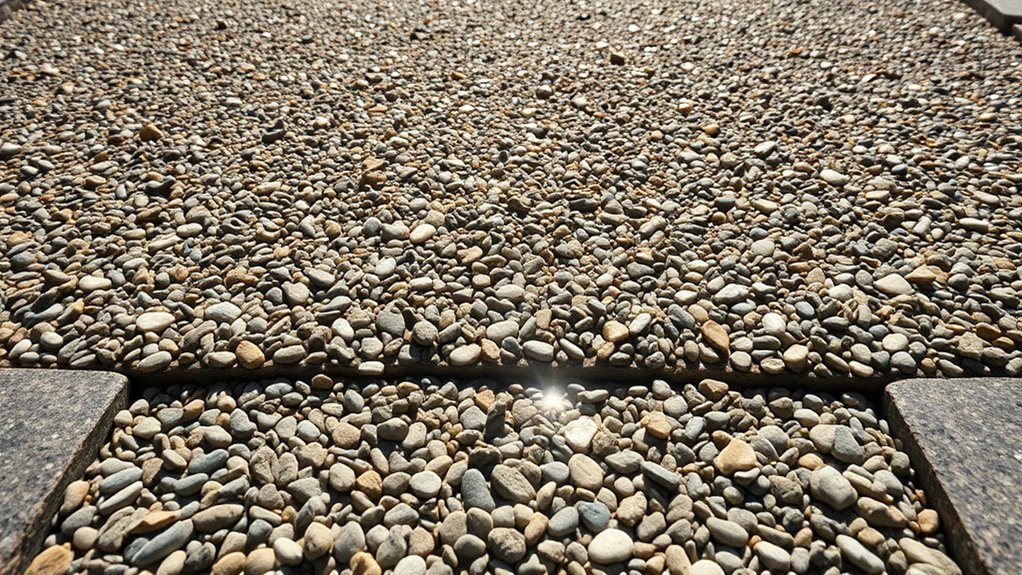
A solid base layer is crucial for the durability and performance of a resin-bound gravel surface, as it impacts structural integrity and load-bearing capacity. A well-prepared base helps distribute weight evenly, preventing settlement and cracking. For areas that will bear vehicles, it’s recommended to use a minimum 100mm C35 concrete slab to support heavier loads. Ensure proper compaction of the subgrade soil to avoid future subsidence. Using MOT Type 3 sub-base is advisable due to its stability and permeability, which helps reduce the risk of waterlogging. A high-quality sub-base preparation ensures a robust foundation that can withstand the rigors of regular traffic. If the base isn’t adequate, you may encounter issues like cracking and surface deformation. Therefore, prioritise a smooth, level base to ensure the resin-bound layer adheres properly. Additionally, selecting the appropriate sub-base material, such as concrete for high-traffic areas, ensures optimal performance and longevity of the resin-bound surface.
Ensuring Compliance With Permeability Standards
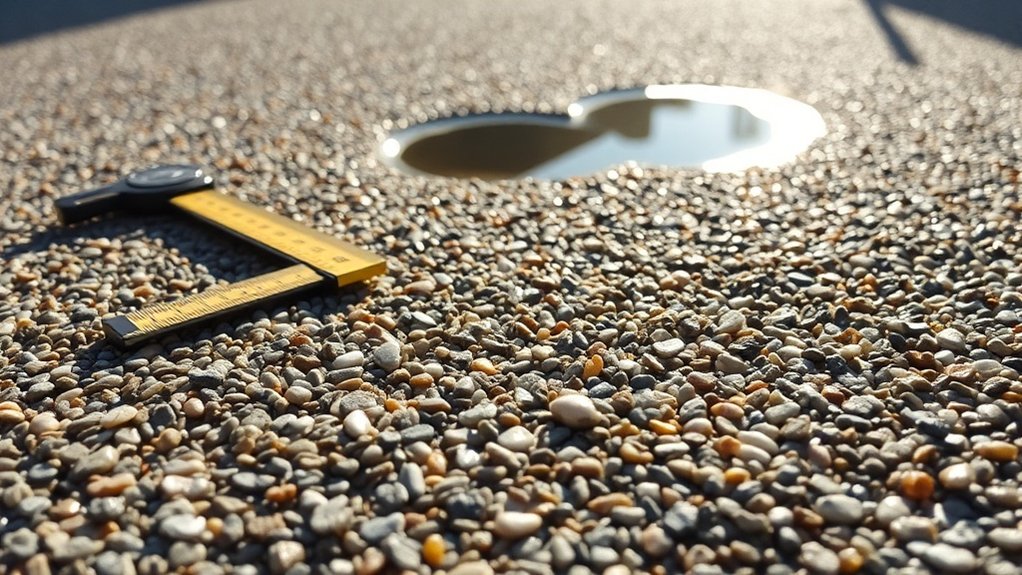
To ensure compliance with permeability standards, you should create an effective permeable base that manages rainwater efficiently.
Techniques such as establishing a proper drainage slope and selecting a suitable sub-base can significantly improve water flow.
Regular maintenance is crucial to keep the system functioning well and to prevent blockages.
Permeable Base Requirements
To ensure compliance with permeability standards, it’s crucial to choose the right sub-base materials and follow proper installation techniques.
Here are some key points to keep in mind:
- Use MOT Type 1 or Type 3 aggregates, compacted to a depth of 120-150mm for optimal stability and permeability.
- Consider using advanced permeable base mixes (PBM) that include lightweight aggregates for quicker water drainage.
- Keep the sub-base clean and dry to avoid fines that could hinder permeability.
Rainwater Management Techniques
Effective rainwater management techniques are crucial for meeting permeability standards.
Begin with permeable surfaces, such as resin-bound gravel, which allow rainwater to seep through and reduce runoff. Use void spaces filled with open-graded stones to enhance water passage. Ensure the base consists of crushed, angular, open-graded aggregate with around 40% void space beneath the gravel to aid in both detention and infiltration.
Consider incorporating rainwater harvesting systems to capture and reuse runoff, promoting sustainability.
Additionally, design subbase and underdrain systems to manage subsurface flow and prevent waterlogging. Regular maintenance, such as vacuuming or pressure washing, is essential for effective stormwater filtration and to avoid clogging, ensuring long-term compliance with permeability standards.
Preparing the Sub-Grade for Installation
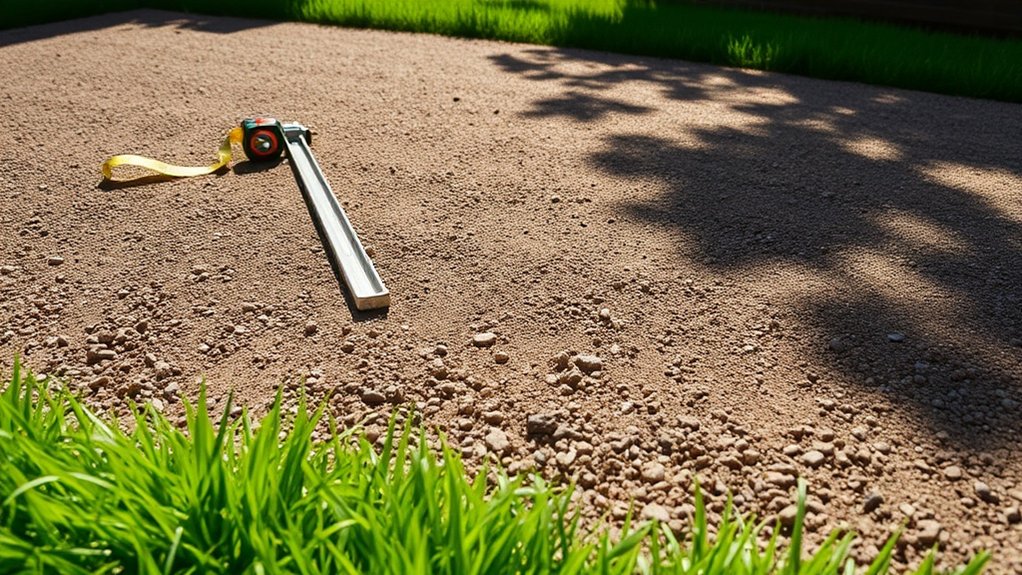
To prepare the sub-grade for installation, ensure proper compaction techniques are used to create a stable, dense layer.
Consider drainage carefully, as good water management helps avoid problems like soil movement and damage from freeze-thaw cycles.
These steps are vital for establishing a solid foundation for your gravel surface.
Proper Compaction Techniques
Start by assessing the existing sub-grade to ensure it’s suitable for compaction. Conduct soil consistency tests to evaluate its strength and remove any organic material or debris.
For effective compaction, follow these steps:
- Choose the right compaction equipment, such as heavy plate compactors for initial passes and smooth drum rollers for the final density.
- Manage moisture levels—make sure the materials are damp but not overly wet to achieve the best dry density.
- Compact in layers no thicker than 150mm per pass, overlapping each pass by one-third for even coverage.
Always conduct field tests to verify compaction meets required specifications, ensuring a solid foundation for your resin-bound gravel installation.
Using proper techniques will enhance longevity and adherence to industry standards.
Drainage Considerations
When preparing the sub-grade for resin-bound gravel installation, it’s crucial to evaluate the drainage capacity and moisture content of the soil.
Check for any drainage problems, such as pooling or waterlogging, to avoid surface failures. Excavate the sub-grade to the necessary depth, ensuring you remove any organic material and unstable soil.
Conduct California Bearing Ratio (CBR) tests to assess the strength of the sub-grade and adjust the sub-base thickness for effective drainage. Use non-frost susceptible MOT Type 3 aggregate for your sub-base to ensure good permeability.
Moreover, design the sub-grade in line with Sustainable Drainage Systems (SuDS) regulations, incorporating drainage channels or soakaways to enhance water management and minimise flooding risks.
Choosing the Appropriate Resin Types
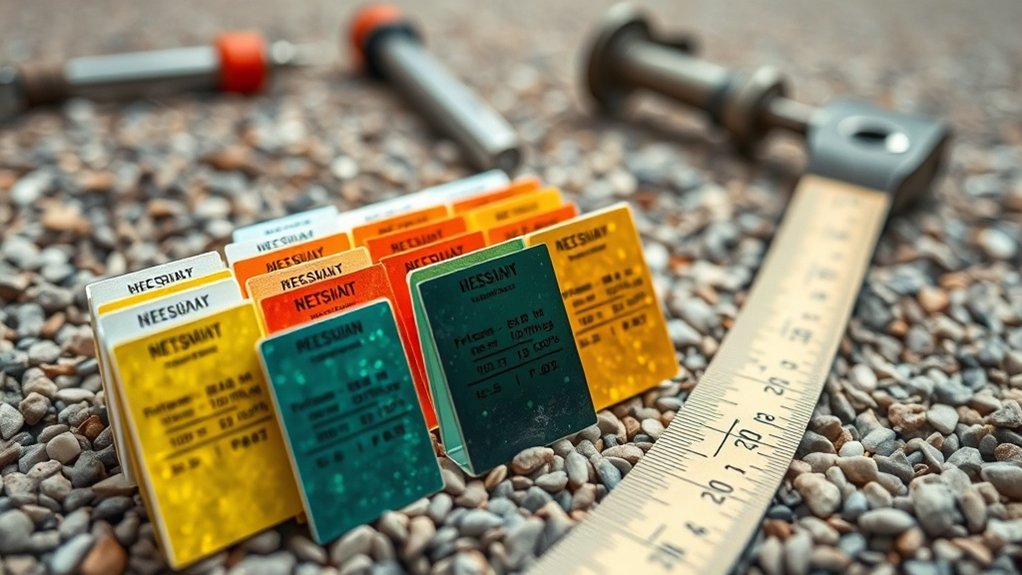
Selecting the right type of resin is crucial for ensuring your gravel project meets both performance and regulatory requirements.
Here are some key points to consider:
- Durability: Choose UV-stable resins to avoid fading and deterioration over time.
- Permeability: It’s important to use permeable resins that comply with Sustainable Urban Drainage Systems (SUDS) regulations, which facilitate effective water drainage.
- Eco-Friendly Choices: Opt for resins that have a low environmental impact to support sustainable practices.
Installation Techniques for Optimal Results
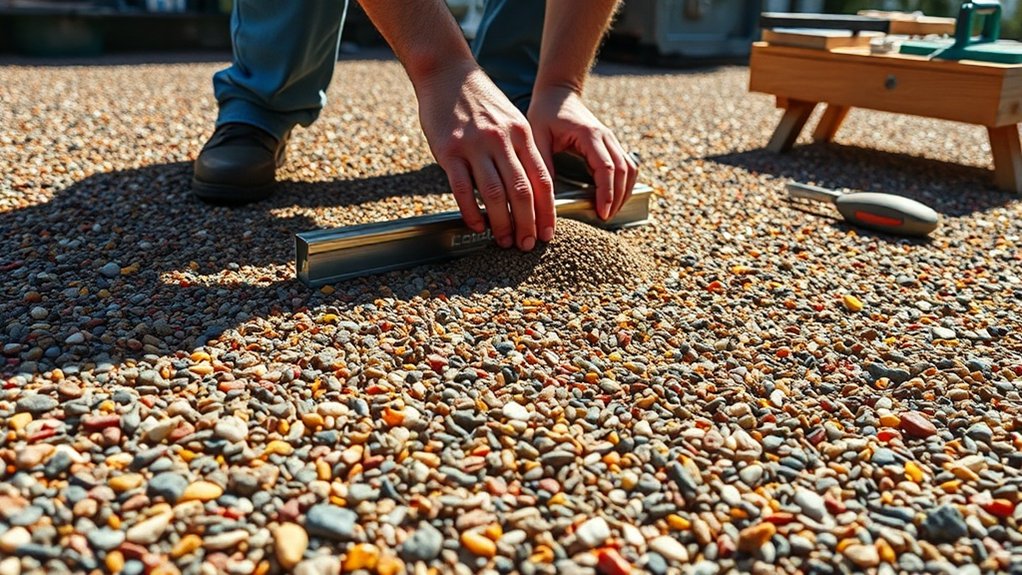
Proper installation techniques are crucial for achieving the best results in your gravel project, especially after choosing the right resin types.
Start by ensuring the existing surface is clean and free from debris. Excavate to a depth of 150mm and lay a solid sub-base using MOT Type 1 or Type 3 stone, compacting it well. Aim for a 1-2% gradient to facilitate effective drainage.
Use a forced-action mixer to blend the resin and aggregate thoroughly, following the recommended mixing ratios. Apply a 15mm layer of the mixture evenly across the surface to achieve a smooth finish.
Avoid disturbing the area during the curing process and protect it from moisture.
Maintaining Compliance With Suds Regulations

To comply with SuDS regulations, it’s essential to understand and apply the national standards for drainage and water management in your projects. Here are the key points to consider:
1. Promote Infiltration: Design your drainage systems to maximise water infiltration before it enters sewers, ensuring effective stormwater management.
For instance, using permeable paving can help achieve this.
2. Regular Assessments: Carry out infiltration testing and risk assessments based on the specific pollution risks of your site.
This helps ensure you meet water quality targets.
3. Maintenance Plans: Develop maintenance schedules to ensure your systems operate efficiently over time.
This not only supports sustainable landscaping but also helps prevent flooding.
Enhancing Safety and Durability of the Surface

Enhancing the safety and durability of your gravel surfaces is crucial for long-lasting performance and user satisfaction.
To improve safety, consider adding anti-slip additives during installation to increase traction, particularly in wet conditions. Regular maintenance is key; keep the surface clean to avoid moss and algae growth, which can reduce slip resistance.
For durability, ensure proper base construction with permeable materials to aid drainage and minimise surface degradation. Use the recommended resin to aggregate ratio and choose durable, UV-stable resins to maintain both appearance and structural integrity.
Additionally, employ sturdy edge restraints to prevent displacement and ensure a smooth transition to adjoining surfaces. Regular inspections will help identify early signs of wear, thereby ensuring both longevity and safety.
Frequently Asked Questions
What Are the Costs Associated With Resin-Bound Gravel Installations?
Installation costs for resin-bound gravel typically range from £1,800 to £2,800, with additional maintenance costs for cleaning and resealing. The choice of materials and labour can significantly influence these prices, so it’s important to consider your project’s specific requirements when budgeting.
How Long Does Resin-Bound Gravel Typically Last?
Resin-bound gravel typically lasts between 15 to 25 years, depending on factors like the quality of materials and how well it’s installed. Regular maintenance, such as cleaning and resealing every five years, can significantly extend its lifespan. For instance, a well-maintained driveway could look great for years, while neglect might lead to quicker wear and tear.
Can Resin-Bound Gravel Be Installed in Cold Weather?
Yes, resin-bound gravel can be installed in cold weather. However, it’s essential to use specialised techniques to mitigate the effects of the cold. For instance, opt for winter-grade resins and ensure proper drainage to enhance durability and prevent frost damage. This approach will help maintain the integrity of the surface during colder months.
What Are the Best Practices for Cleaning Resin-Bound Surfaces?
After hosting a summer barbecue, it’s essential to maintain your resin-bound surface. Use gentle pressure washing techniques along with pH-neutral detergents. Regular upkeep involves sweeping away debris and quickly tackling any stains to ensure your surface lasts.
How Do I Choose the Right Contractor for Installation?
To choose the right contractor for installation, evaluate their qualifications and experience. Check their portfolio for a variety of completed projects and ensure they have relevant certifications. It’s also wise to confirm they have successfully handled installations similar to yours, ensuring quality and reliability for your project.
Conclusion
To ensure your resin-bound gravel installation complies with UK standards, follow these key guidelines. Firstly, ensure the correct thickness, aggregate mix, and base layer are used. Proper preparation is crucial for a durable finish; a well-prepared sub-grade and the right resin types will enhance performance significantly. For example, a solid base can prevent future cracking and settling. By sticking to these principles, you can create a compliant, long-lasting, and safe surface.